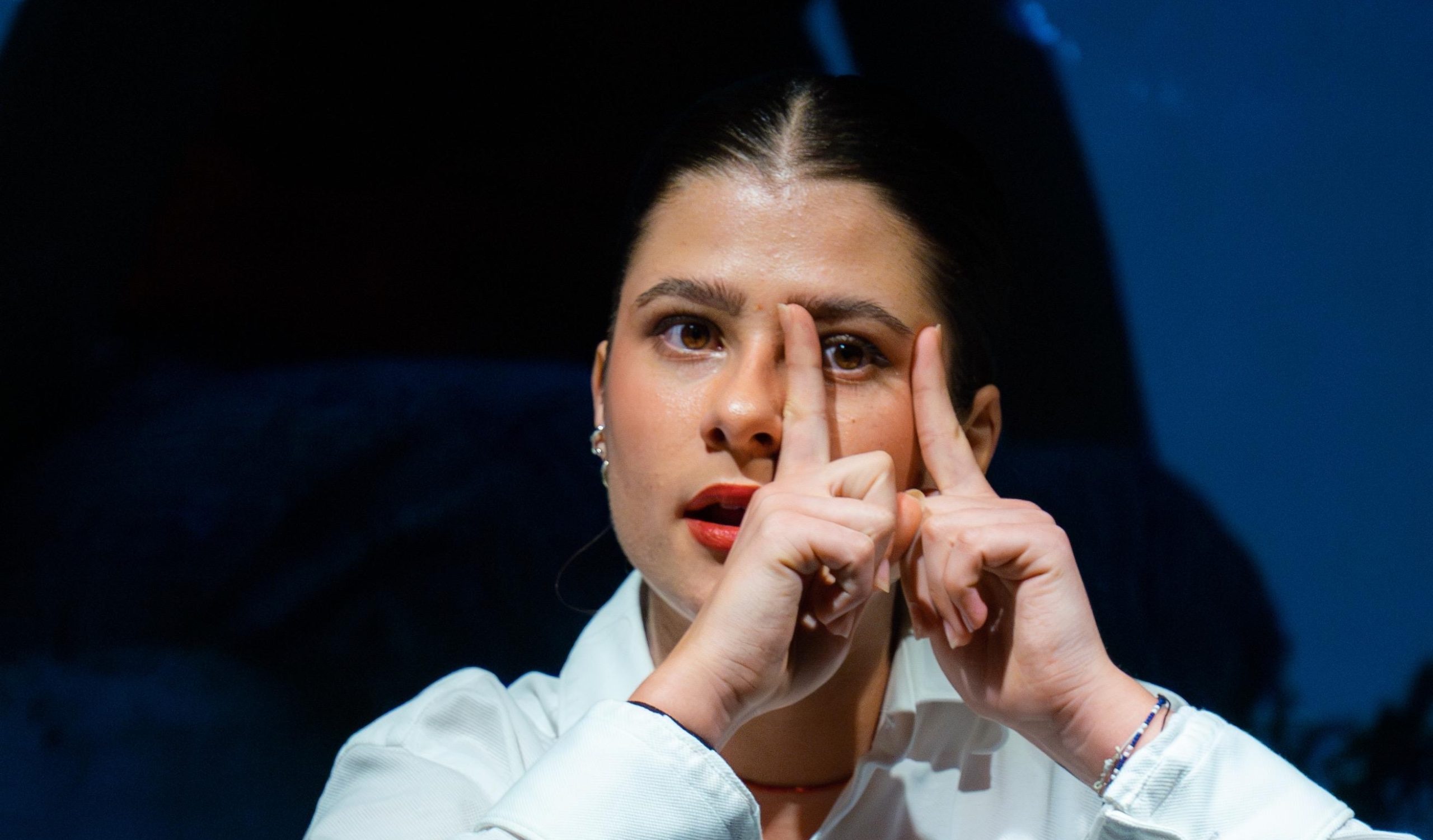
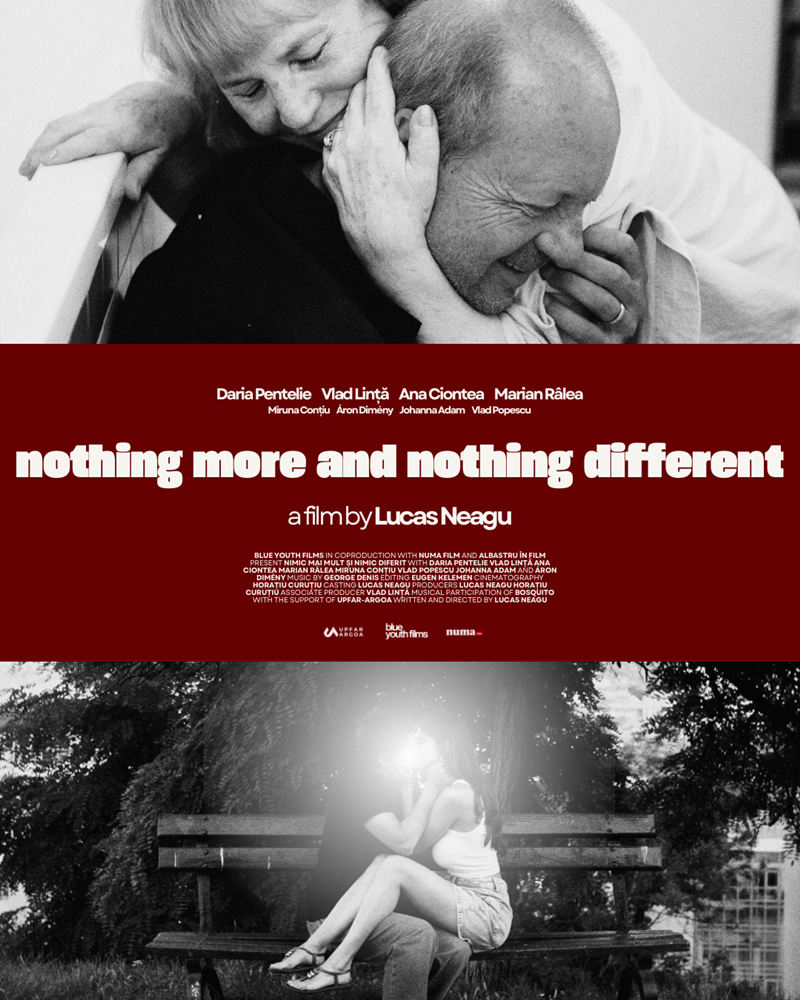
For Miruna Conțiu, theatre became a space of discovery long before cinema entered the picture. After years of working on stage and studying acting in German, her first feature film brings a different kind of discipline: fragmented timelines, emotional continuity and the challenge of building a character through moments that are rarely filmed in chronological order. In “Nothing More and Nothing Different,” directed by Lucas Neagu, Conțiu plays the daughter of Elena and Gabi, an elderly couple whose decades-long relationship is confronted with illness, mortality and an impossible moral dilemma. Her character exists inside a family history already shaped by love, conflict, memory and everything that remains between the lines.
Described as The Happiest Film on Earth, “Nothing More and Nothing Different” finds its emotional territory in the contradictions of human relationships, asking where unconditional love meets responsibility and whether certain choices can ever be separated from the people they affect. For Conțiu, the film became an opportunity to discover a character in close collaboration with Neagu, while also confronting the particularities of moving from theatre into cinema. We spoke with her about building a family history from the inside, finding emotional continuity across time, her first experience on a film set, the creative freedom of working with a director, and the importance of remaining herself while beginning to shape a life in art.
You are currently studying acting in German, while already building a presence through theatre and now cinema. When did acting first become something more than an interest and turn into a decision?
Theatre has always been present in my life, ever since I was two years old and went to my very first theatre show at Teatrul Gong in Sibiu. My mom told me that I was one of the few kids who didn’t cry during the play and instead just sat there, watching the entire show without saying a word.
As a child, I took theatre classes, and when I went to high school, I joined a German theatre group called “ArtAttack.” That was my first “serious” contact with the theatre world. We had an amazing teacher, Johanna Adam, who is also playing in “Nothing More and Nothing Different.” For me, she was the person who guided me and helped me take my first steps towards deciding to pursue theatre professionally.
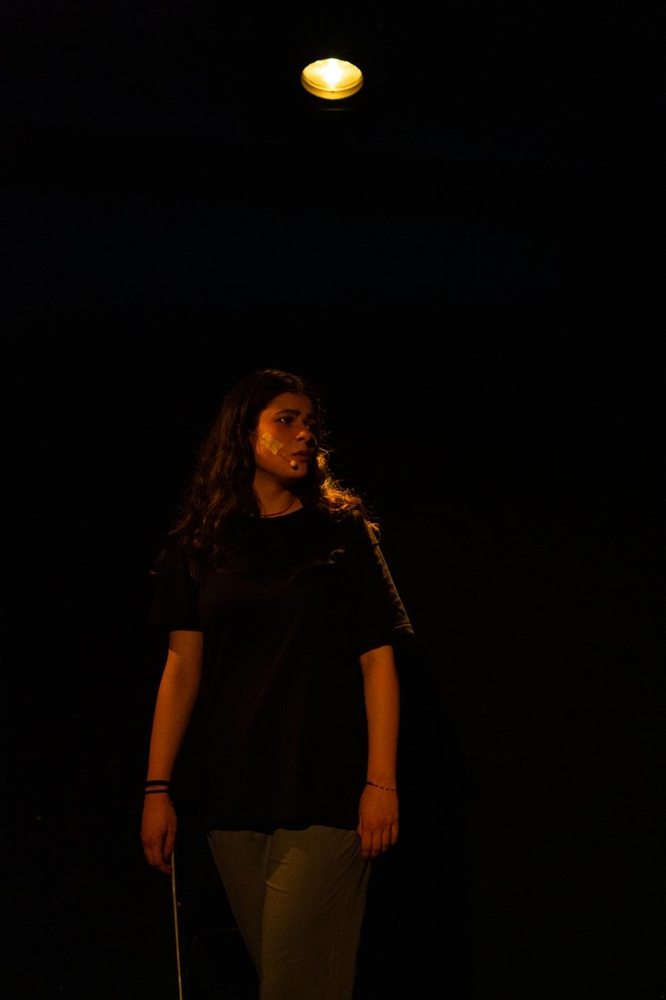
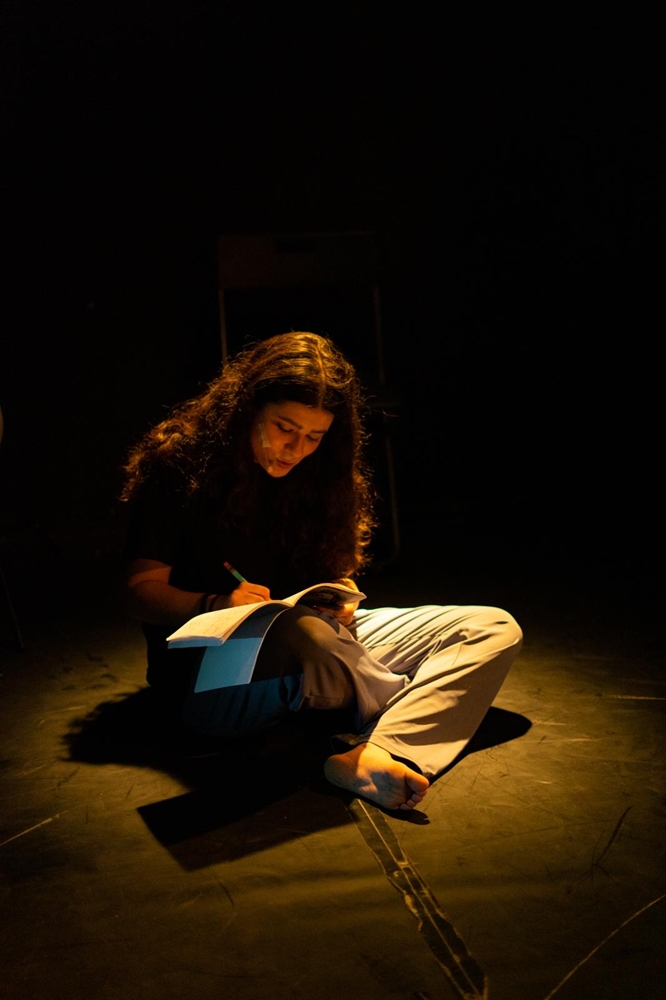
Coming into the profession through theatre, what has the stage taught you about yourself that you don’t think you could have learned anywhere else?
For me, theatre and its universe are, so to say, the perfect environment to discover myself and develop skills that are useful in everyday life. I think theatre, and art in general, opens very specific doors within yourself that you might not be able to discover anywhere else.
The stage teaches you how to embarrass yourself, how to be vulnerable, and how to see those moments as part of a process and an opportunity to learn, rather than as something negative. I think that has been the biggest lesson for me so far.
Your cinematic debut comes with “Nothing More and Nothing Different”. What did entering a film set for the first time reveal about acting that you hadn’t anticipated from theatre?
For me, I think the hardest thing was maintaining continuity. In theatre, you have a somewhat natural crescendo of events, and your energy is distributed throughout the play. But in film, you don’t have that kind of timeline, and everything is not shot in chronological order.
I knew that, but I didn’t expect it to be that important. It turns out that building a specific kind of energy and finding the right intensity for each scene based on what you’re shooting that day is harder than I expected. But I think that’s how you learn—by doing it.
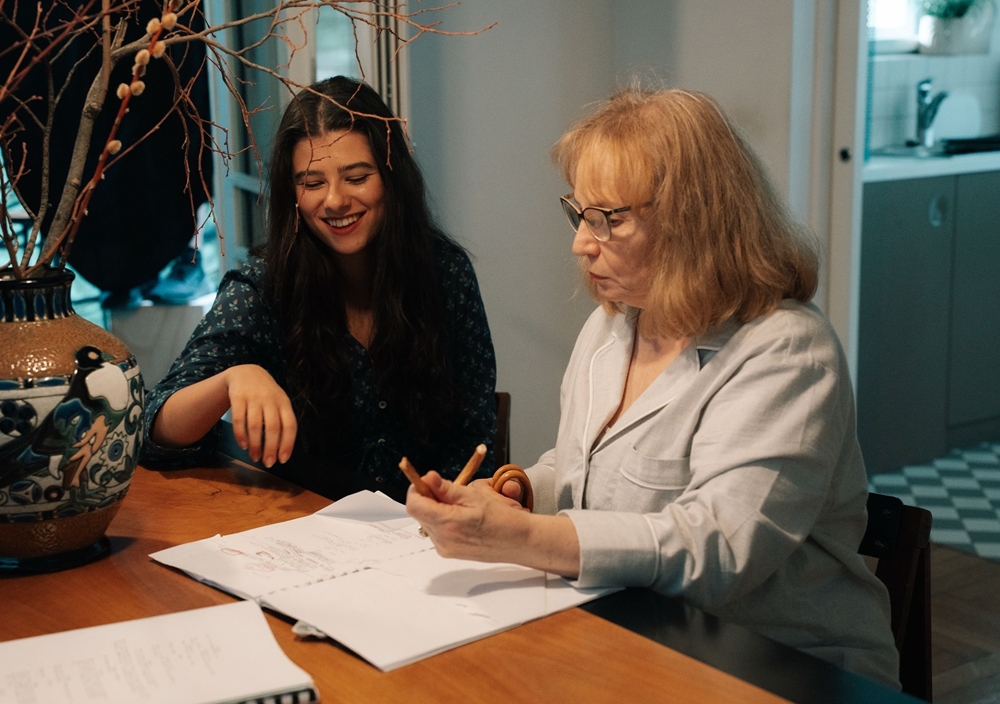
You play Elena and Gabi’s daughter, a character who exists within a relationship already shaped by decades of love, conflict, memory and pain. How did you find your place inside such an intimate family history?
I think of every family or relationship as its own little bubble. And, as we know, every piece of art has its own specific universe, especially movies. I think, for me, it also helped that Lucas Neagu knows how to create one. And I think that for Lucia, her place in that universe, with all its good sides and bad, had a very natural presence.
The film constantly moves between different moments in the lives of its characters. What was it like to perform inside a story where the past is always present, even when it isn’t physically on screen?
I think our personal history, as well as human history in general, shapes so much of who we are. All the experiences we’ve had and everything we’ve learned along the way become part of us. So, performing a character with a history and a family history is, in a way, similar to each and every one of our lives.
I think the past is always present within us, even if we don’t consciously think about it. And for a character, it’s important to keep their past and the universe they exist in mind, because all of that shapes who they are in the present.
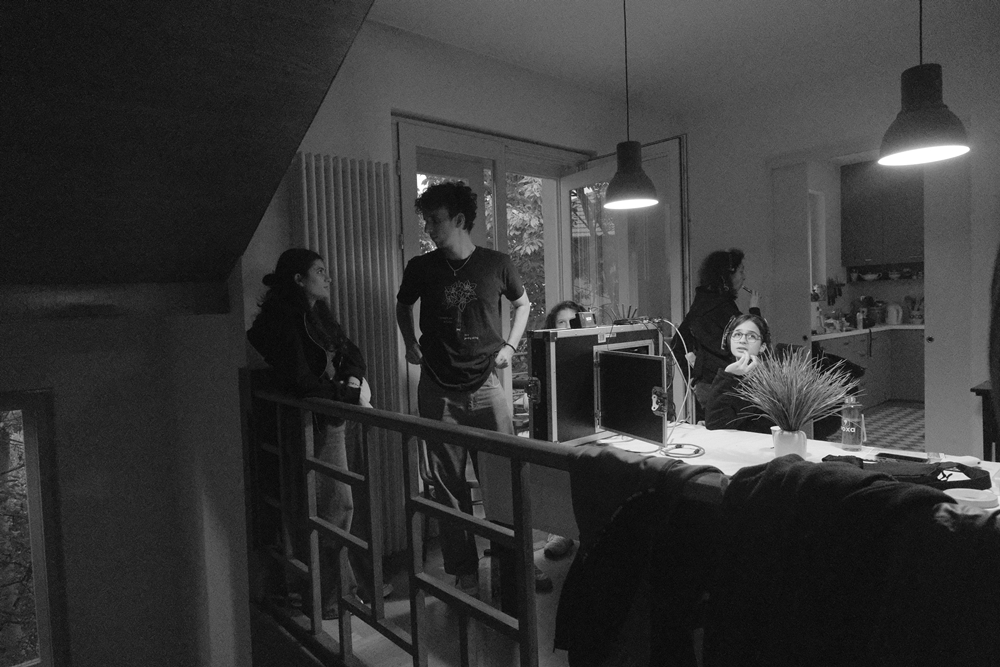
Did Lucas Neagu give you a particular emotional history for the daughter, or did you have room to invent the person who exists beyond what the audience actually sees?
The collaboration with Lucas is a very creative one, and for me, as an actress, it’s a pleasure to have the opportunity to have the space to create a character together with a director. I think more minds are better than one, and I really value that exchange of ideas and perspectives. It makes the process of discovering a character much more interesting.
“Nothing More and Nothing Different” has been described as “The Happiest Film on Earth”, despite revolving around illness, mortality and an impossible moral dilemma. What do you think might make a story this painful ultimately feel deeply human, rather than simply tragic?
Negative things are a part of every life, and that doesn’t mean someone’s life is tragic. It simply makes it human
The film asks whether unconditional love can have limits. Where do you personally think love ends and responsibility begins?
I think that’s one of the questions the film leaves open rather than answering for you. For me, love can remain unconditional, but that doesn’t mean there are no boundaries. At some point, you have to take responsibility for your own choices and for the effect you have on the people you love.
You are entering cinema at a time when Romanian actors can work across theatre, film, television, festivals and international productions. Does that feel like an exciting landscape to enter, or an increasingly competitive one?
I’ve always been eager to work interdisciplinarily within the art world, not only within acting. I’ve always thought of myself more as an artist than simply an actress, because I know I want to explore the many different paths that exist within theatre, cinema, and any other form of art that feels right to me as a person.
My goal is to create, not to compete. Creating can happen in a million different ways, and I want to remain open to discovering what those ways are for me.
You have worked in theatre environments in both Romania and Germany. What differences in mentality, discipline or creative culture have stayed with you?
I think, for me, coming from a university where I’m studying in Romania as a Romanian, but in the German language, with teachers from Germany and all around the world, creates a very interesting environment. I think it really depends more on the person you work with than on which country they come from. Everybody is different.
But one thing I’ve learned from being in this very unique environment is to take what you find useful from every person you encounter and to always try to remain open-minded.
You are still at the beginning of the road. What are you most afraid of losing as your career grows?
Myself. That’s it. It can be easy to lose yourself in this world, and it’s very important to me to always stay true to myself and hold on to my individuality.
When you think about the life you want to build, what do you hope will remain after the career itself has become only one chapter of it?
I think I’d like the things that remain to have very little to do with the career itself. I hope I’ll have meaningful relationships, people I’ve grown with, and a sense that I’ve stayed curious and open to life. Of course, I’d love create stuff that mattered to people, but when the career becomes just one chapter, I think what matters most is who you were while you were living it, and what you gave to the people and community around you.
Lucas Neagu’s “Nothing More and Nothing Different” is set to premiere in cinemas across Romania this November, inviting audiences into an intimate story about love, family, mortality and the difficult boundaries between them.
Follow Miruna Conțiu on:
Instagram

Nicolae Baldovin
Latest posts by Nicolae Baldovin (see all)
- Awe Inspired Summons Mythology for “Nocturne” - September 29, 2026
- Johnny Depp’s “Day Drinker” Just Got Its First Trailer - September 29, 2026
- Brad Pitt Returns as Cliff Booth in New Netflix Film - September 29, 2026