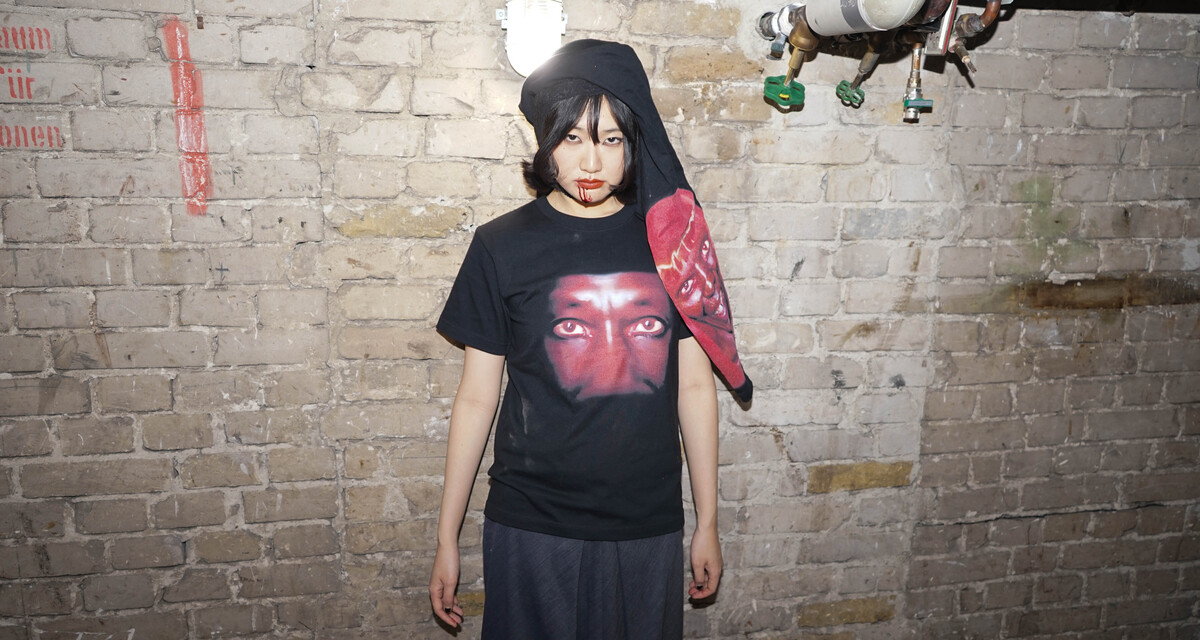
Three Taiwanese creatives based in Berlin explore the uneasy relationship between being looked at, dressing up and feeling that something is slightly wrong.
Sometimes a scene gets under your skin before you realize you’re still smiling at it. Horror has always made room for that reaction, and anyone familiar with David Lynch’s films will recognize the feeling of being caught between amusement and dread.
For the three Taiwanese creatives behind this Berlin-based fashion story, Lanyi Zhan, Phibi Yeh, and Kufo, that uncertainty became a starting point. Conceived as Halloween approached, the project brings together three photographic experiments that consider terror through the female body, everyday surroundings and the reassuring appearance of elegance. Their shared interest lies in how easily something recognizable can begin to disturb us, sometimes while remaining perfectly attractive.
Working across photography, styling, modelling and makeup, the team approaches the subject with a playfulness that gives the darker ideas room to breathe. There is pleasure in these images, in the clothes and the performance of dressing up, even as the relationship between the person and what they are wearing becomes increasingly uncomfortable. The humor makes it easier to keep looking, which is also how the photographs draw you further into their territory.
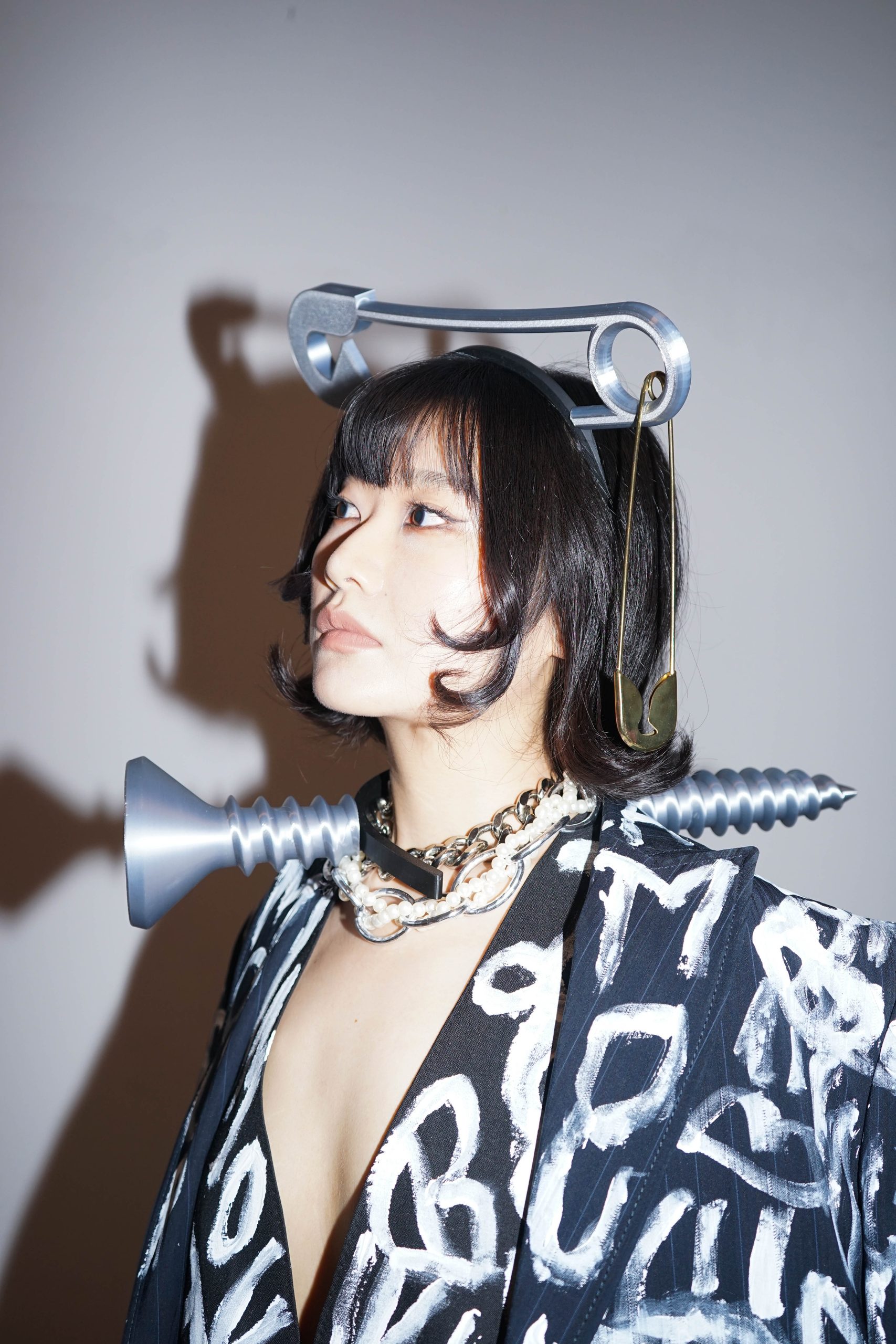
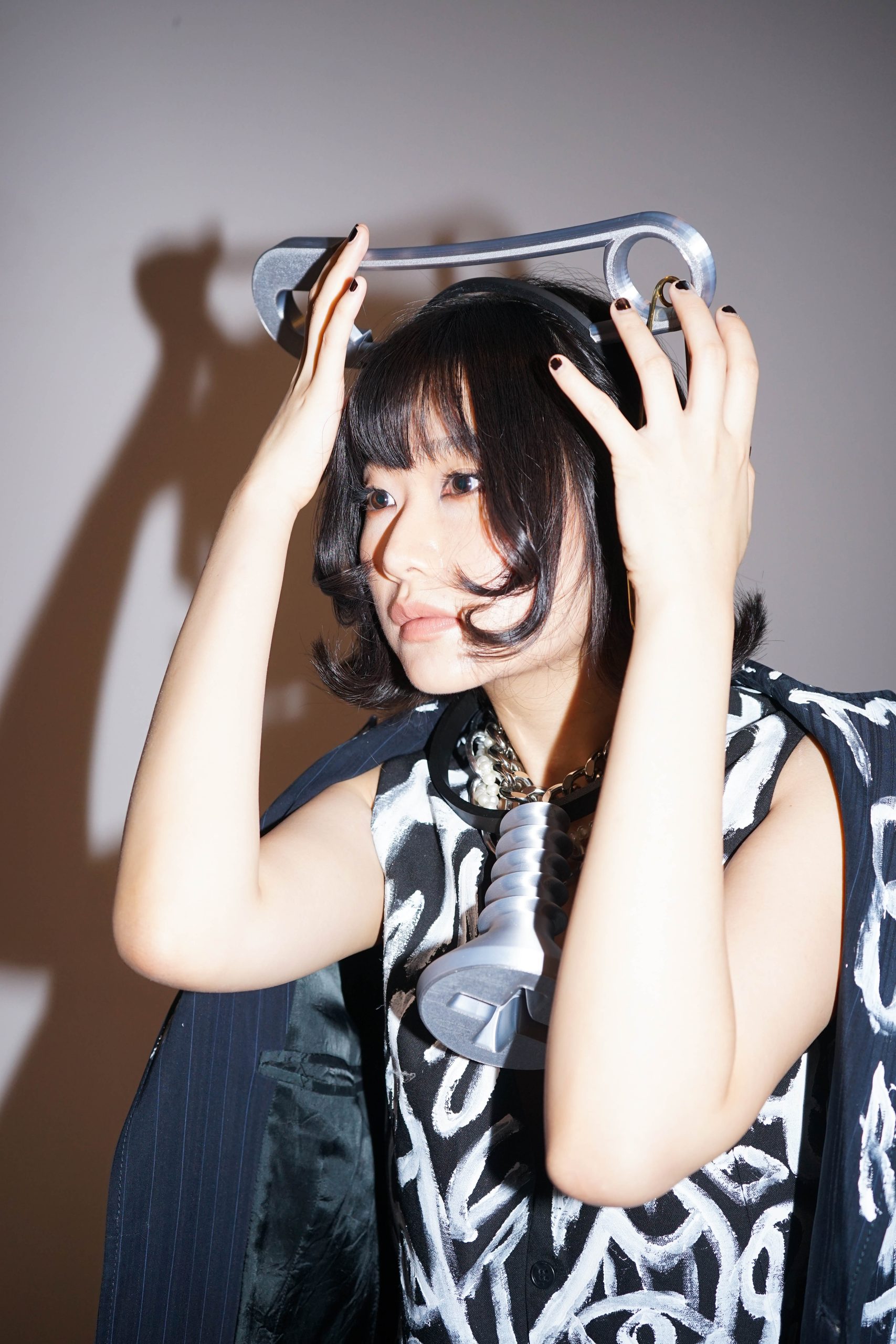
The first chapter considers objectification as a form of terror, using wearable silicone artworks to bring the body into an uneasy relationship with its artificial counterpart. Skin becomes something that can be presented and appraised, giving a physical form to the idea of a woman being treated as an object.
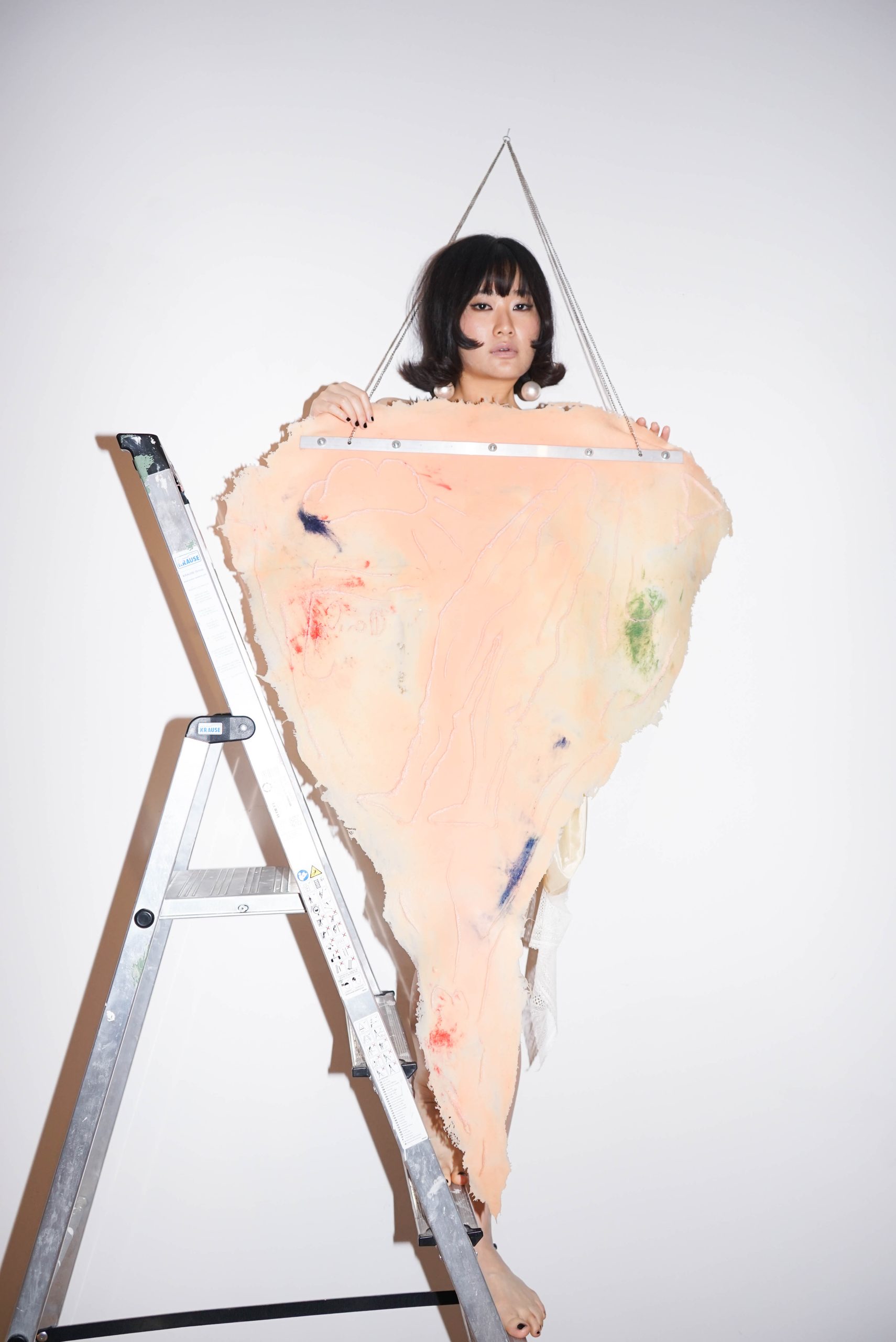
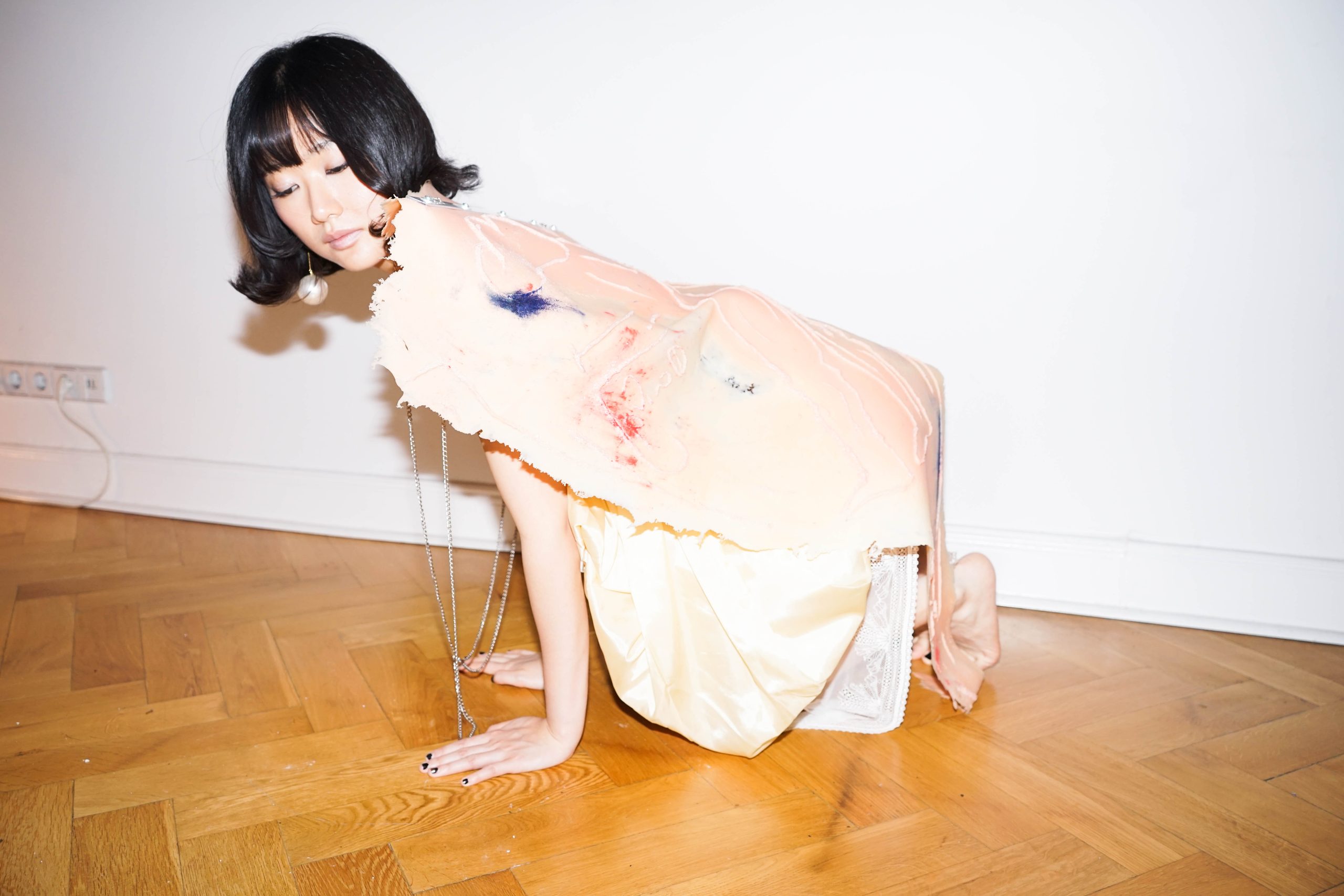
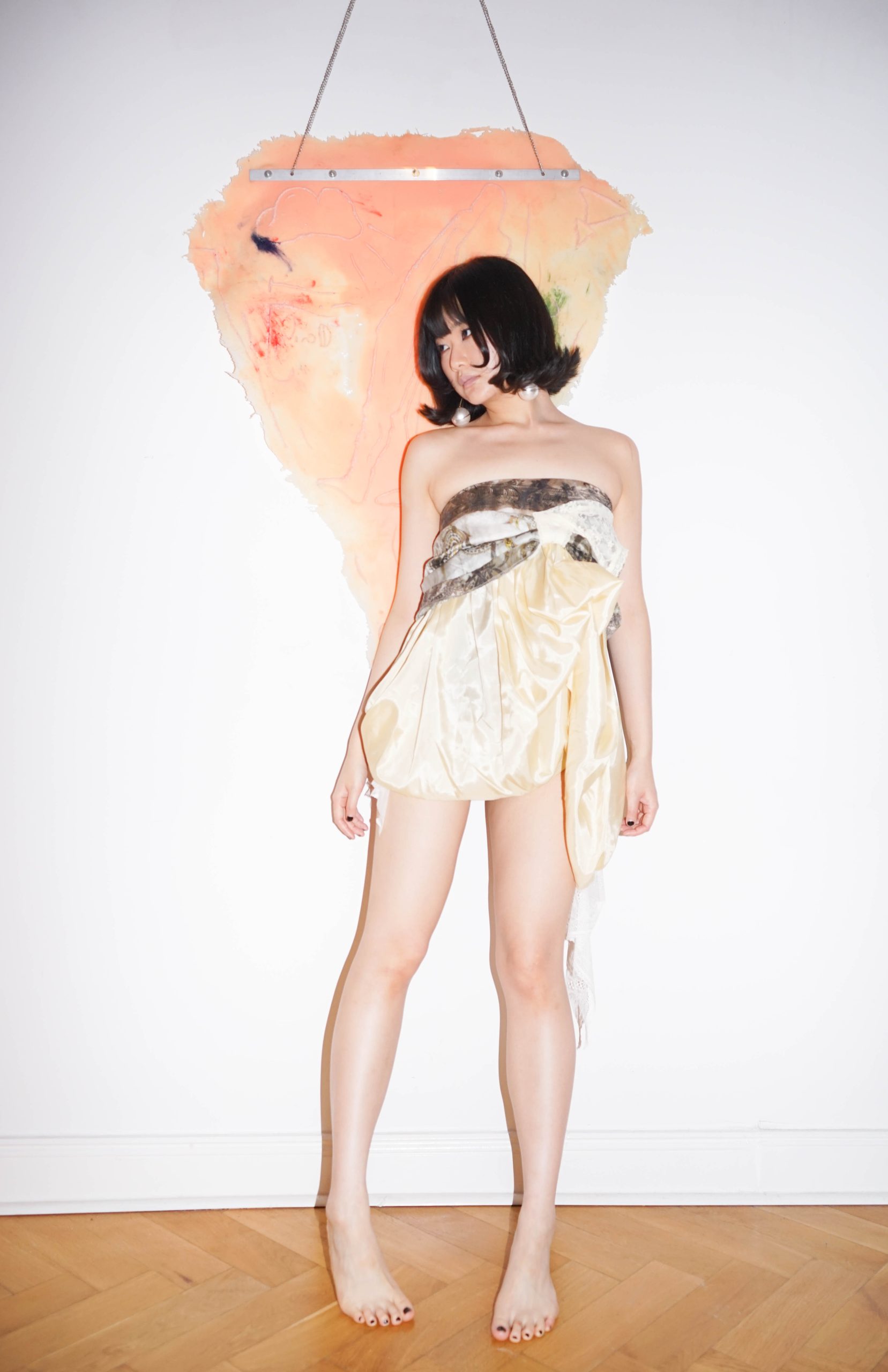
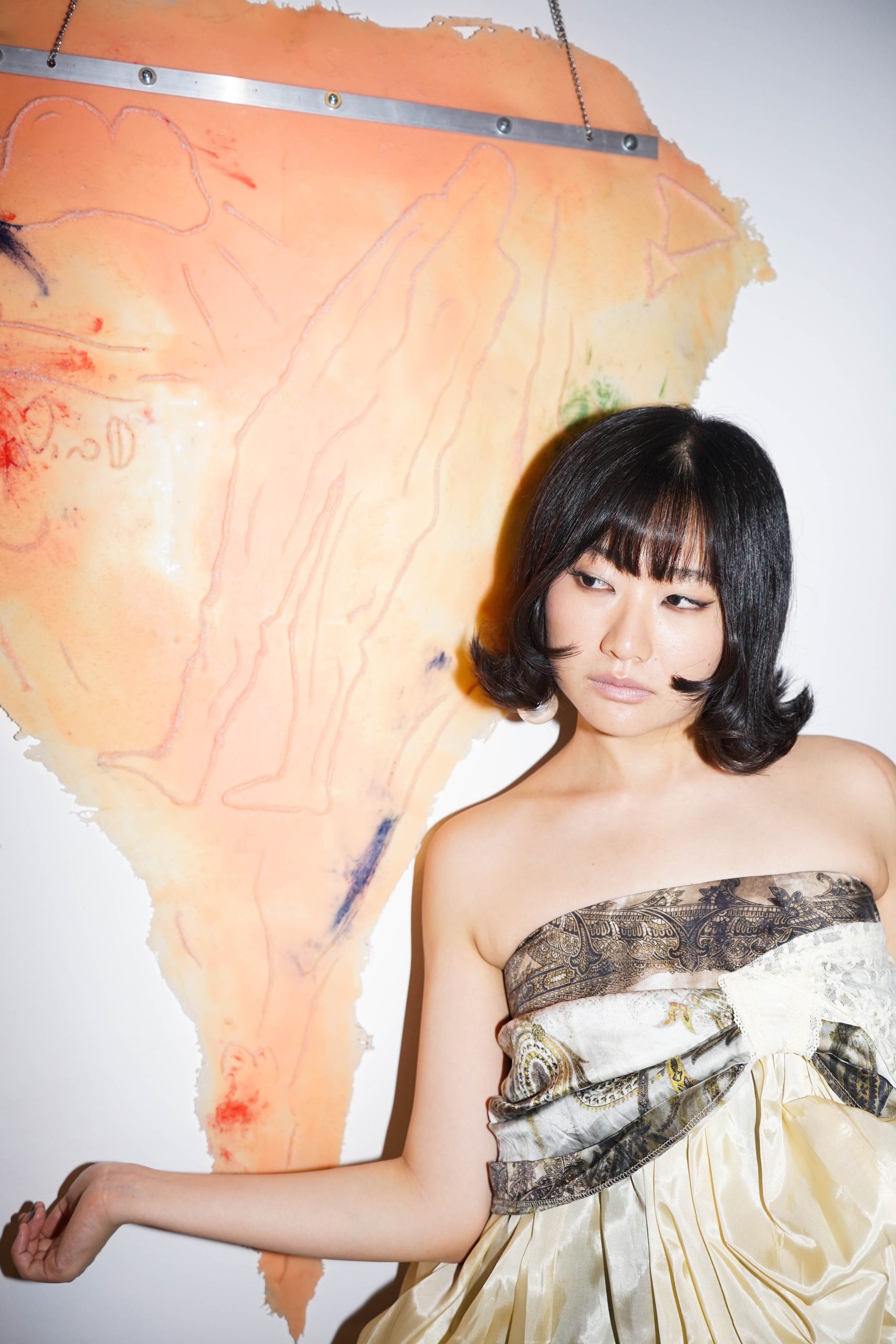
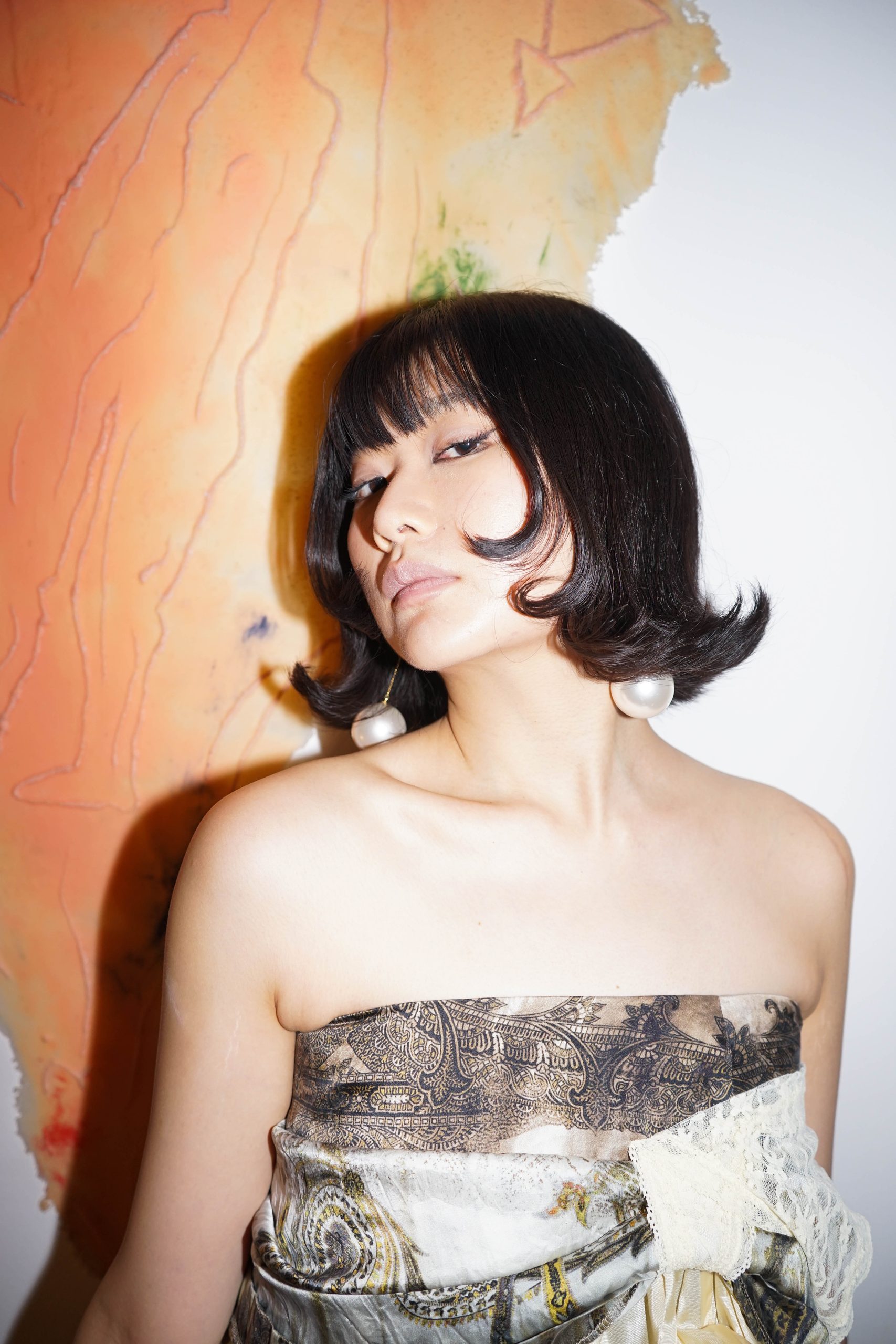
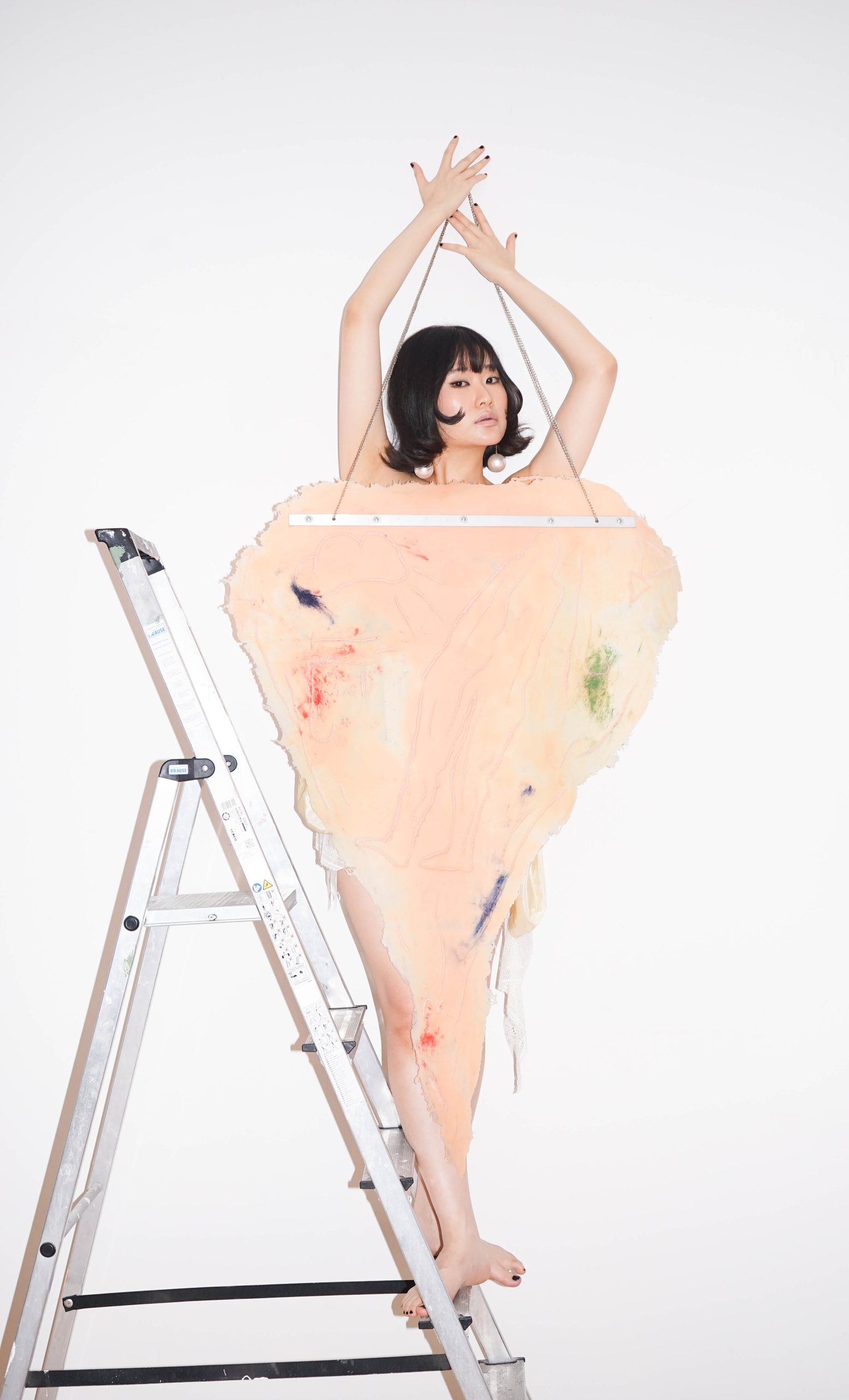
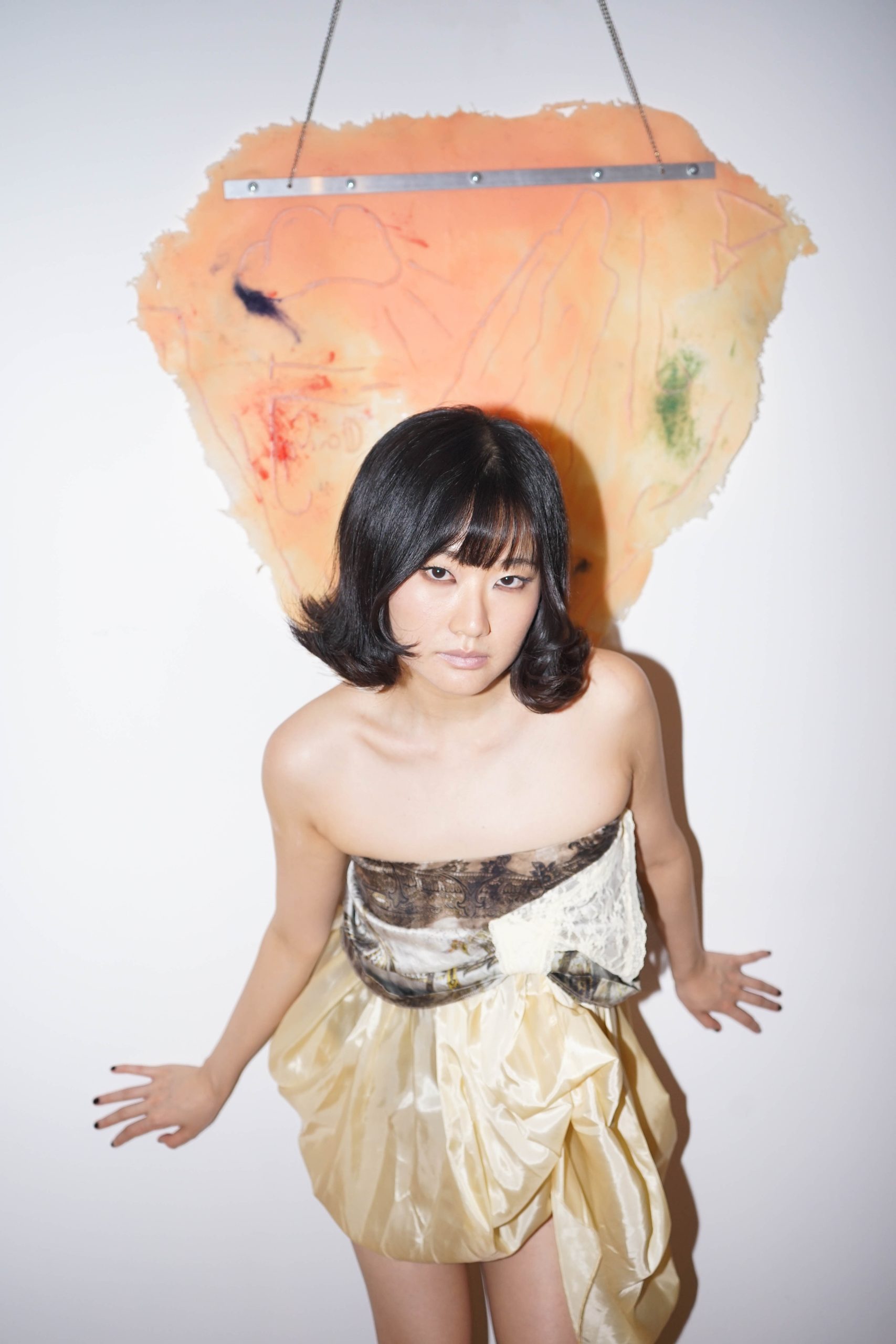
Within a fashion editorial, that proposition has a particular charge. This is a medium built around looking, where a pose or a piece of clothing can turn a person into an image of desire.
The project works inside that language while making its implications harder to overlook. As the distinction between body and object becomes less secure, the viewer is left to consider their own part in the exchange: what they are admiring, what they expect to be offered, and how easily a person can disappear into the image made of them.
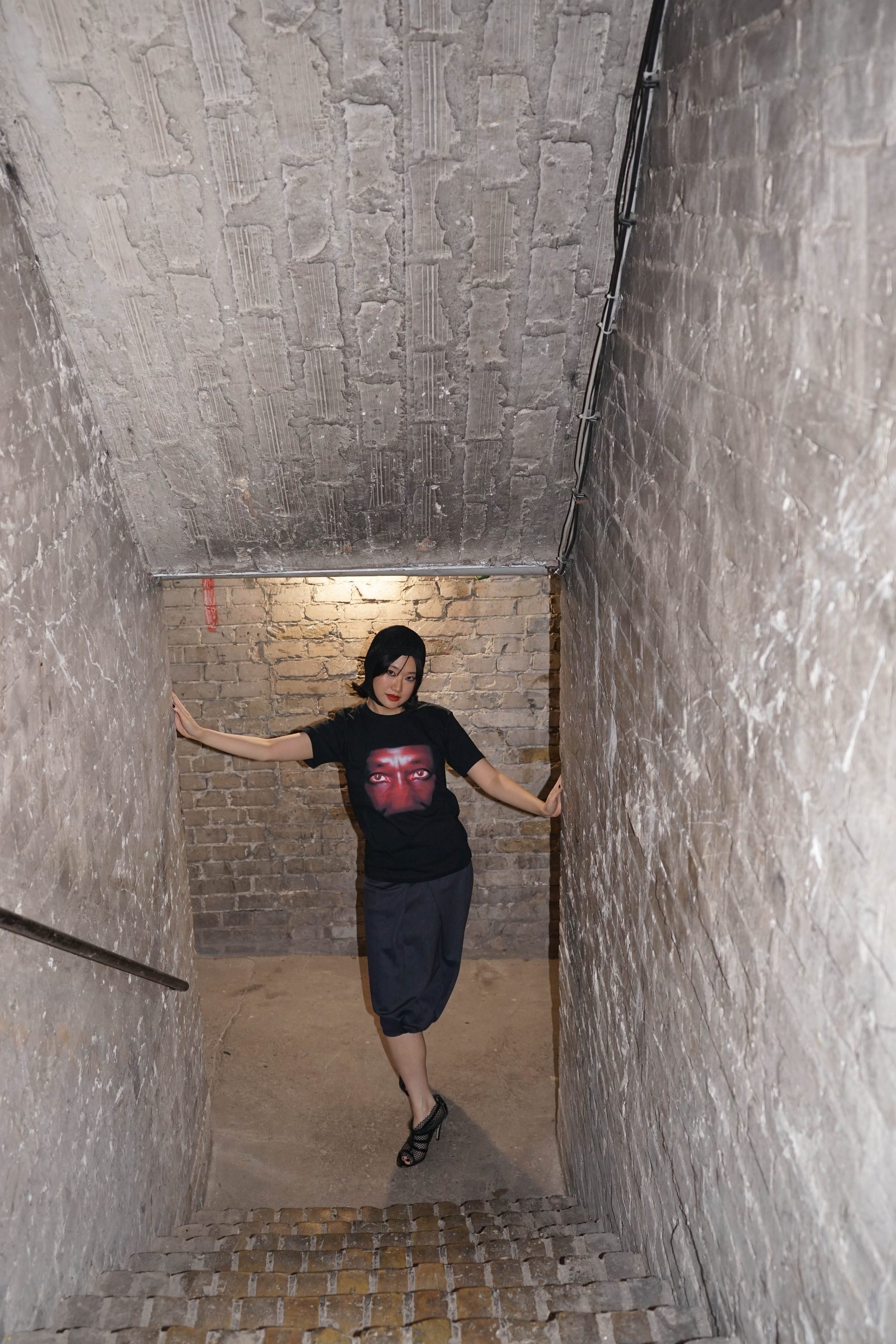
From there, the story moves into a European basement storage room, where the everyday acquires a different atmosphere. Such spaces tend to sit at the edge of our attention, familiar enough to enter without thinking and sufficiently removed from the rest of a building to make us suddenly conscious of being alone. The photographs draw on that ordinary vulnerability, introducing a ghostly presence into surroundings that retain their practical character.
There is something mischievous about staging a fashion story in a place associated with things being put away. The figure appears both dressed for the camera and strangely out of place, creating an encounter that feels theatrical without entirely releasing its tension. The setting remains recognizable throughout, allowing the unease to settle into the kind of room the viewer might have downstairs.
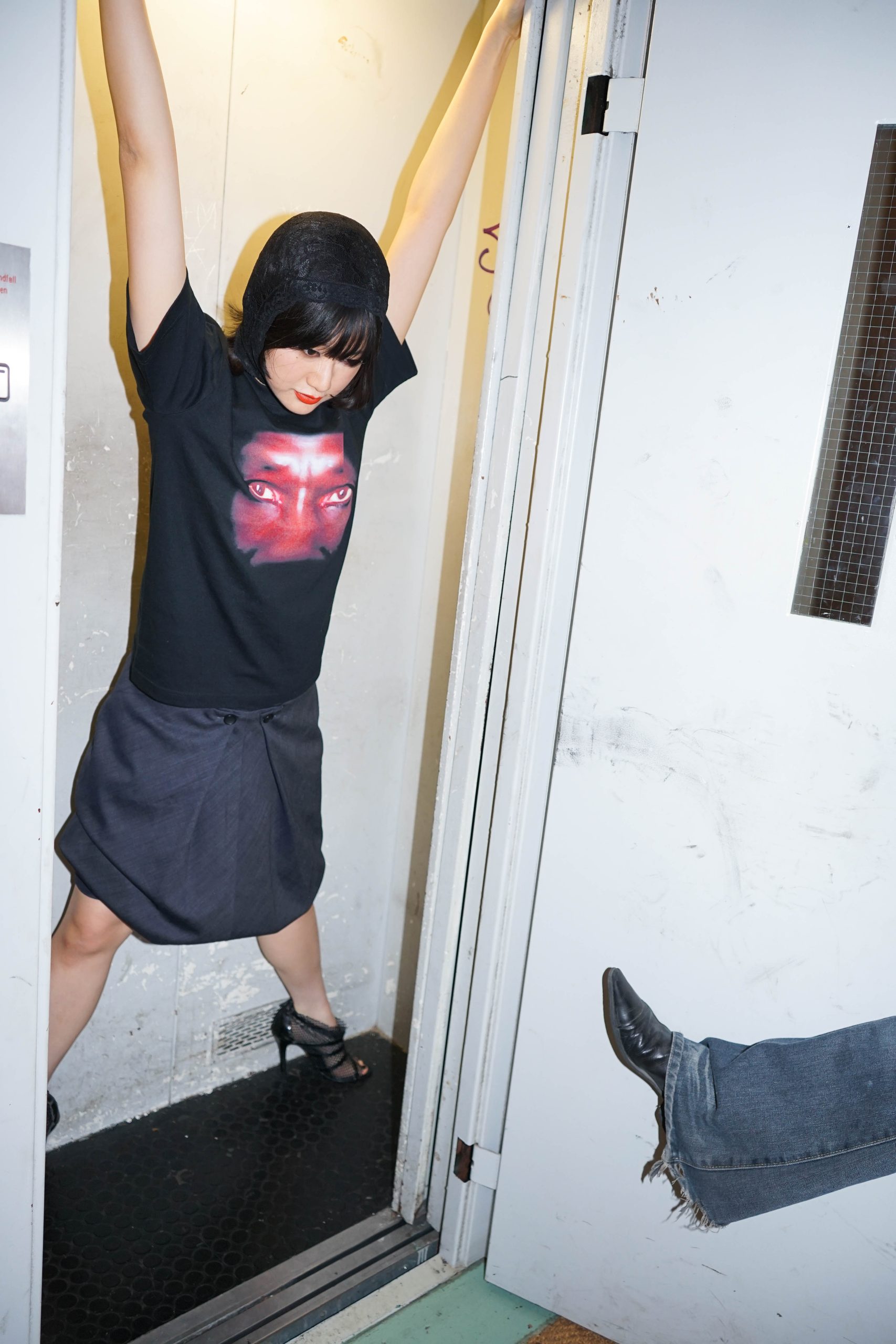
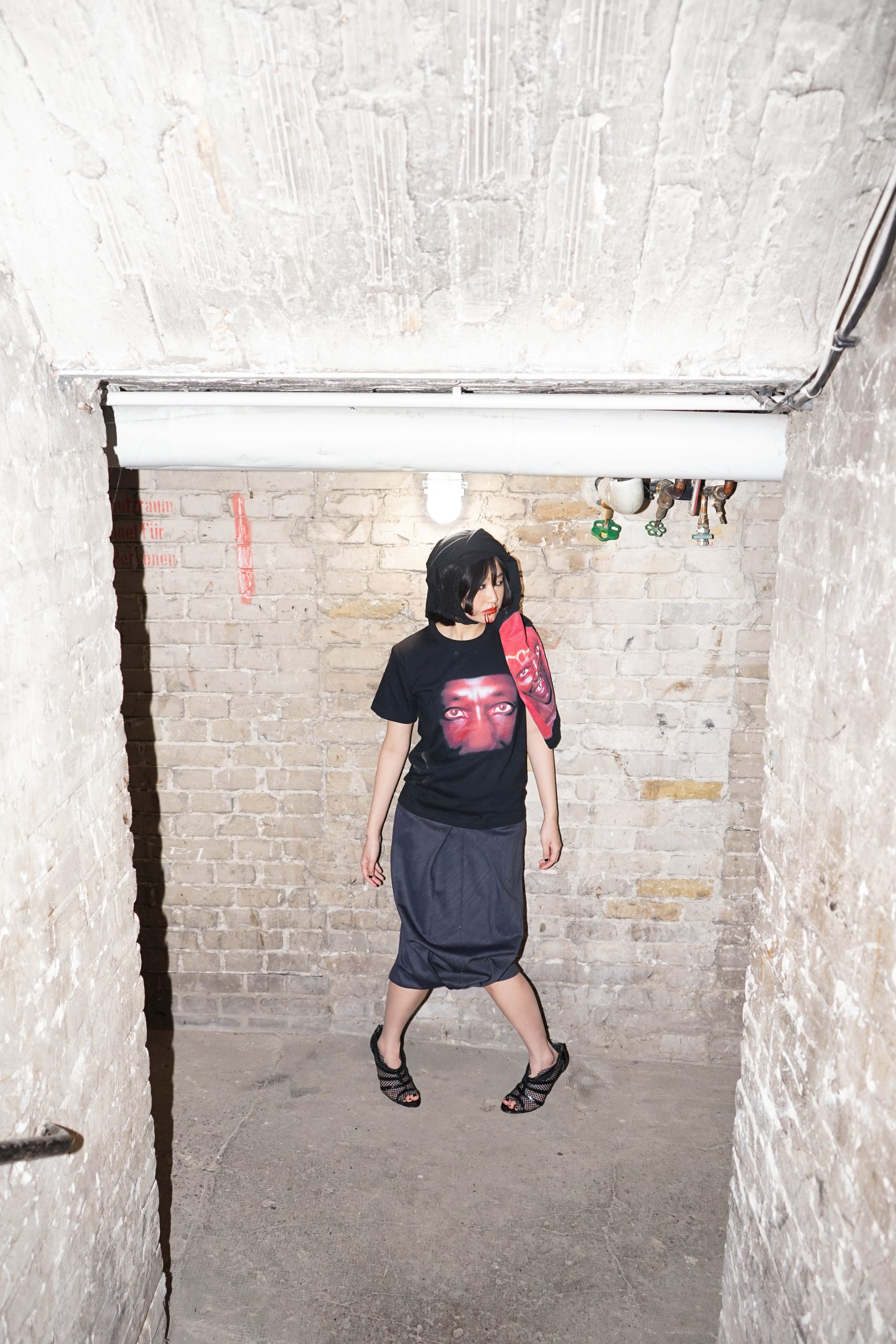
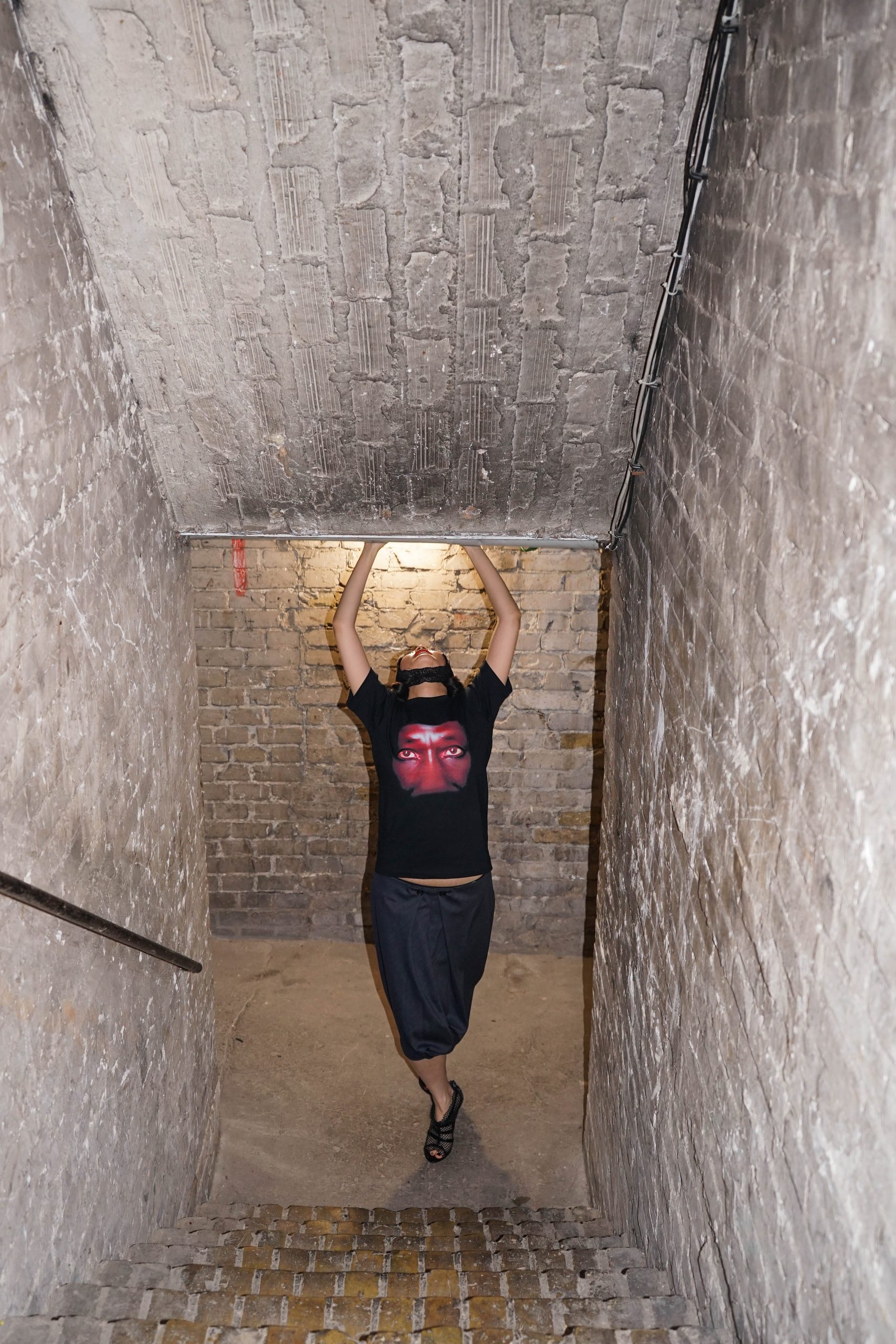
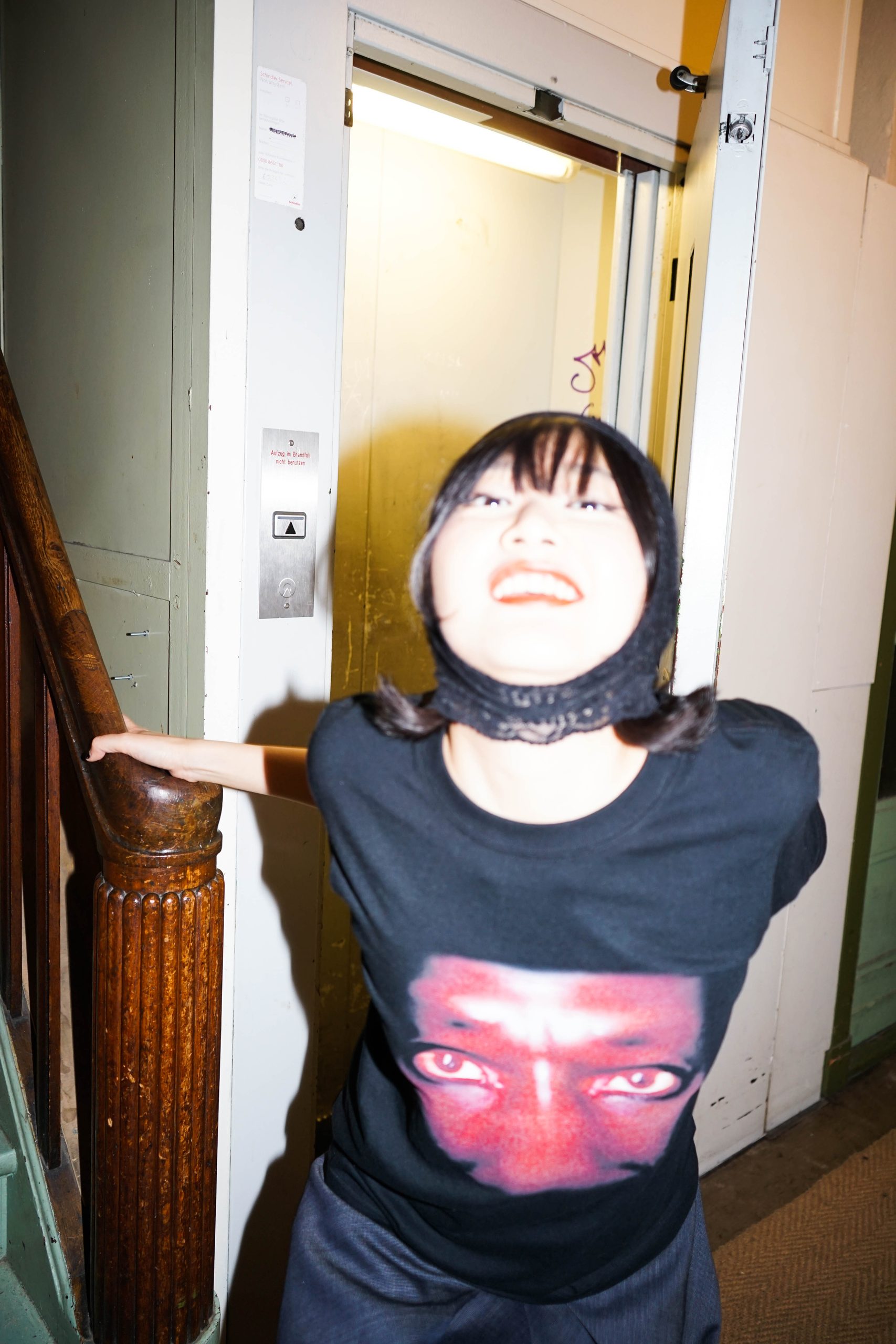
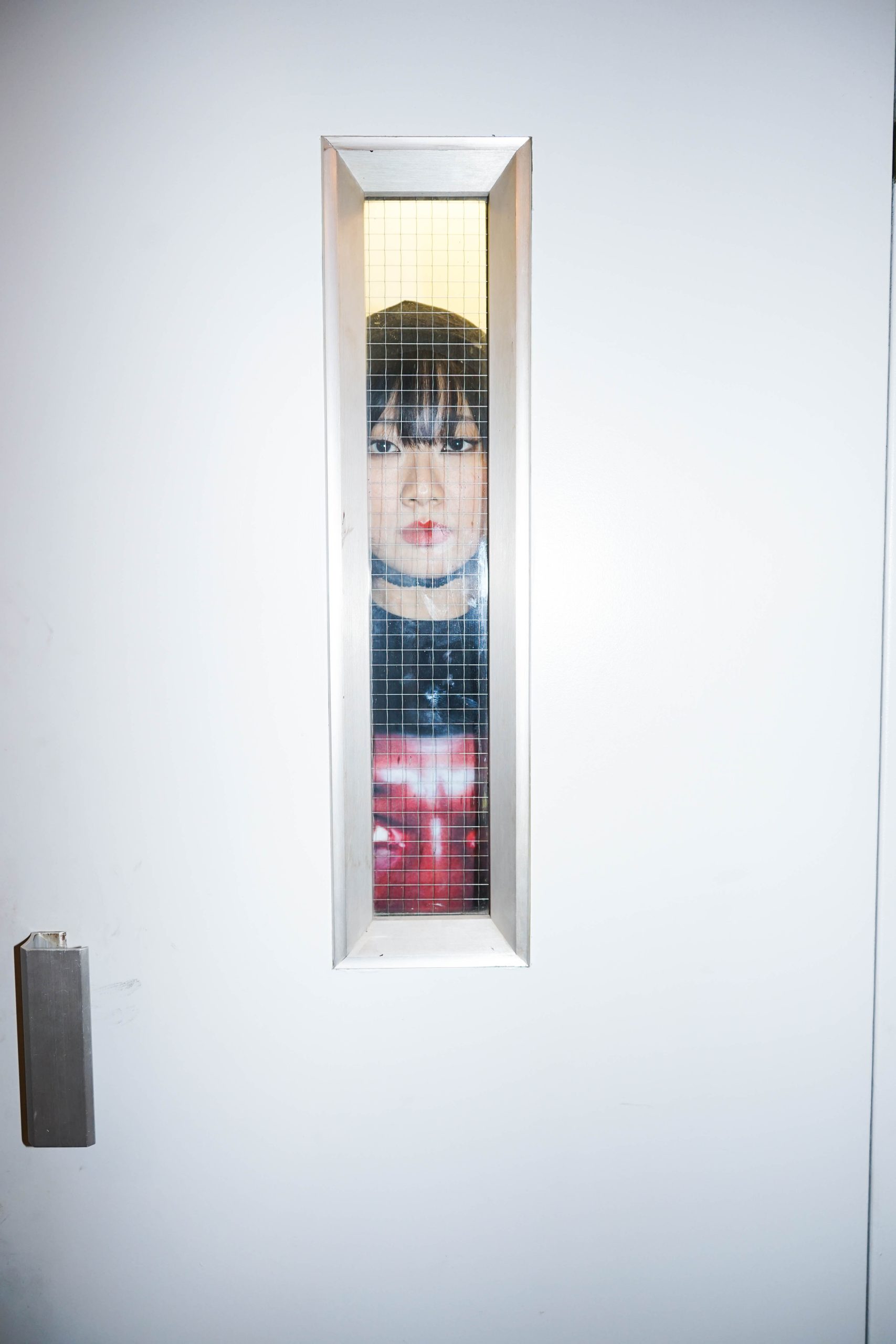
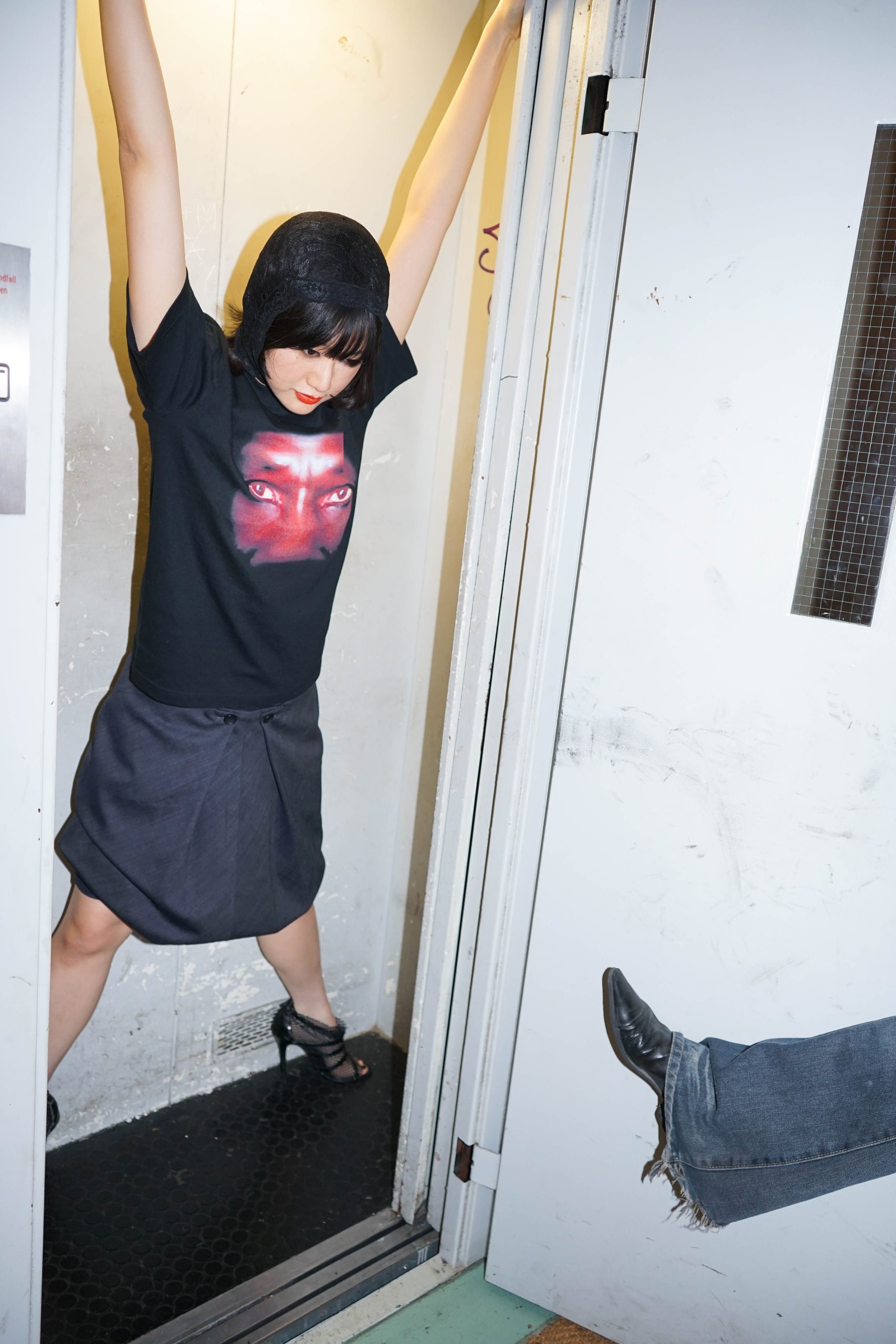
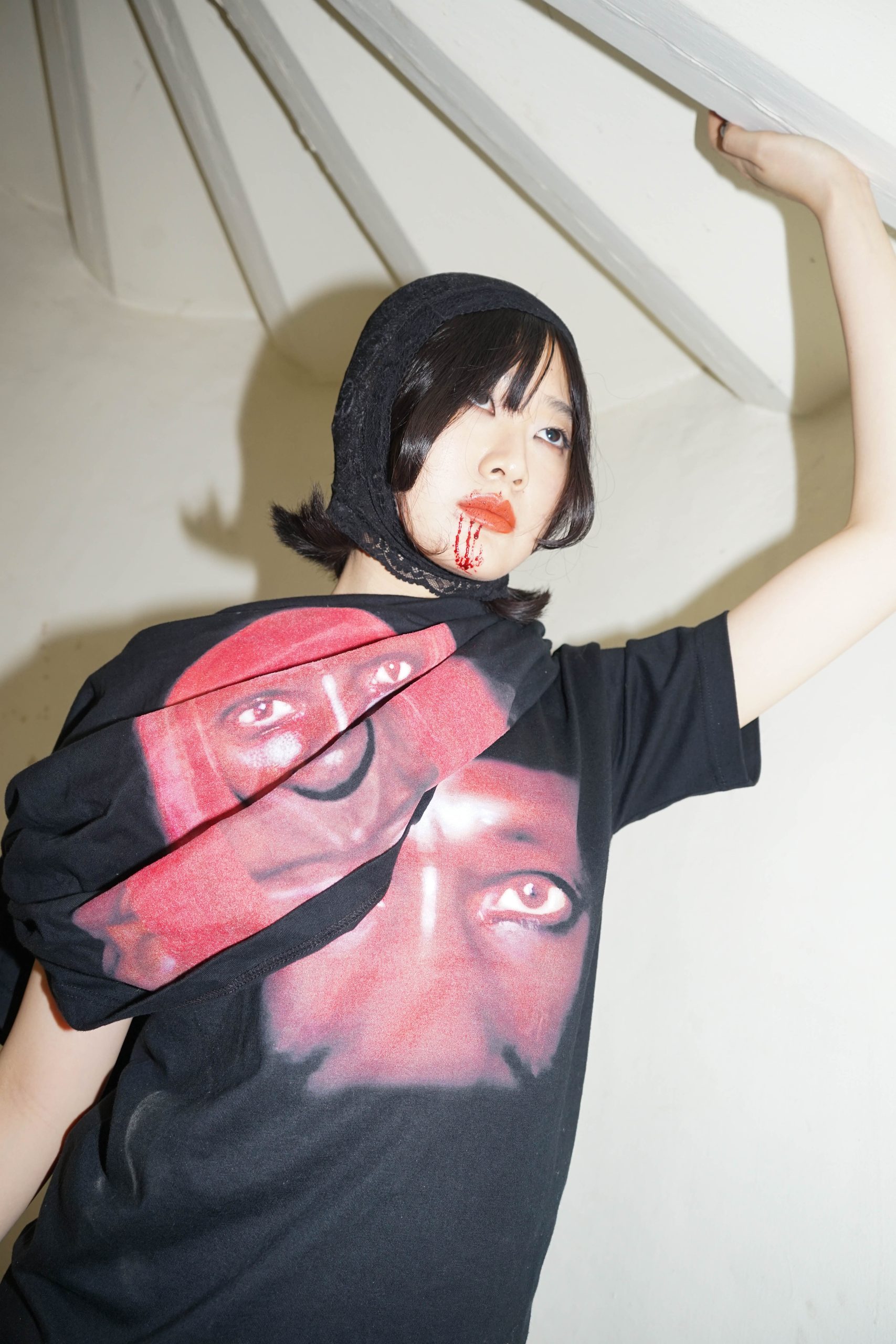
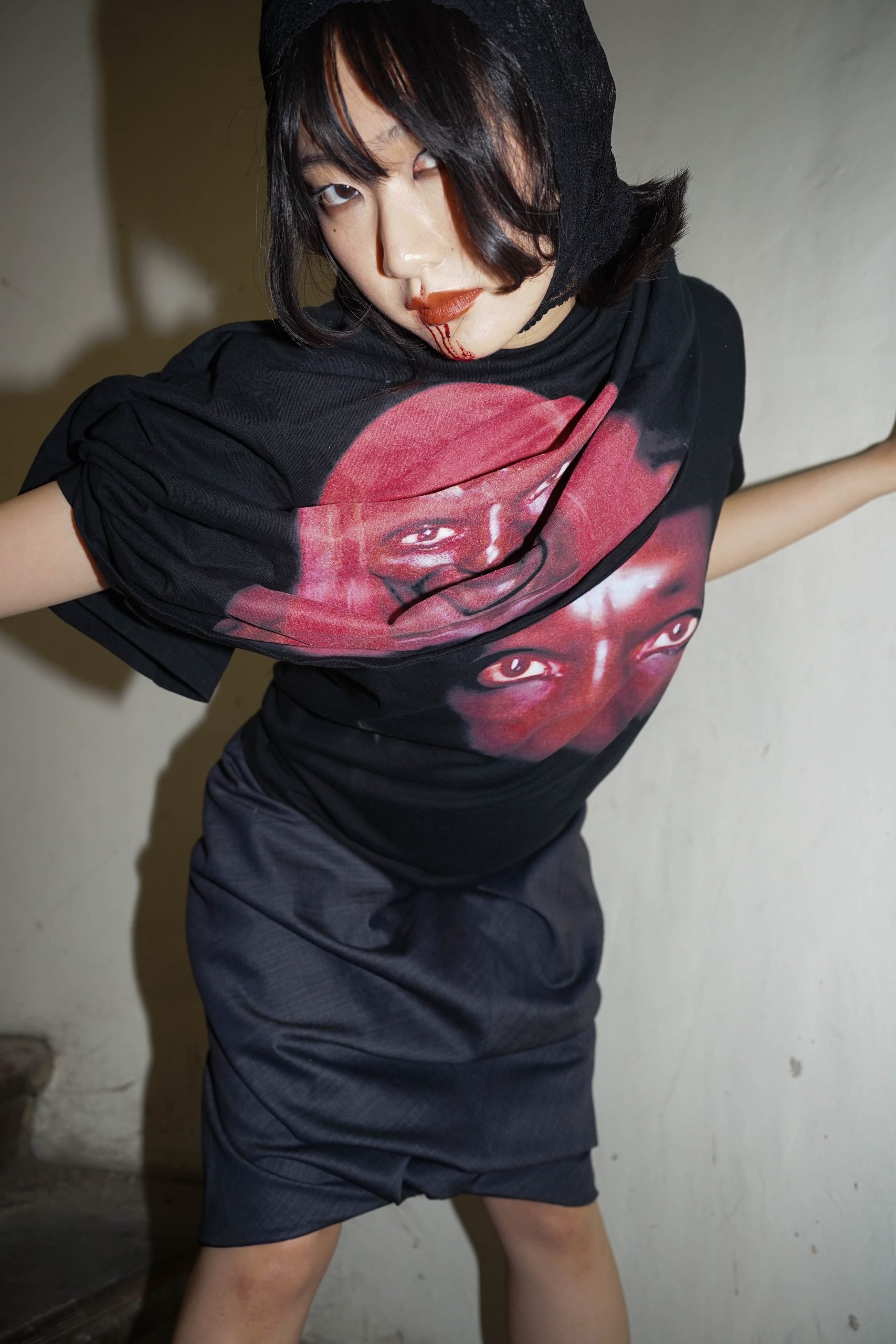
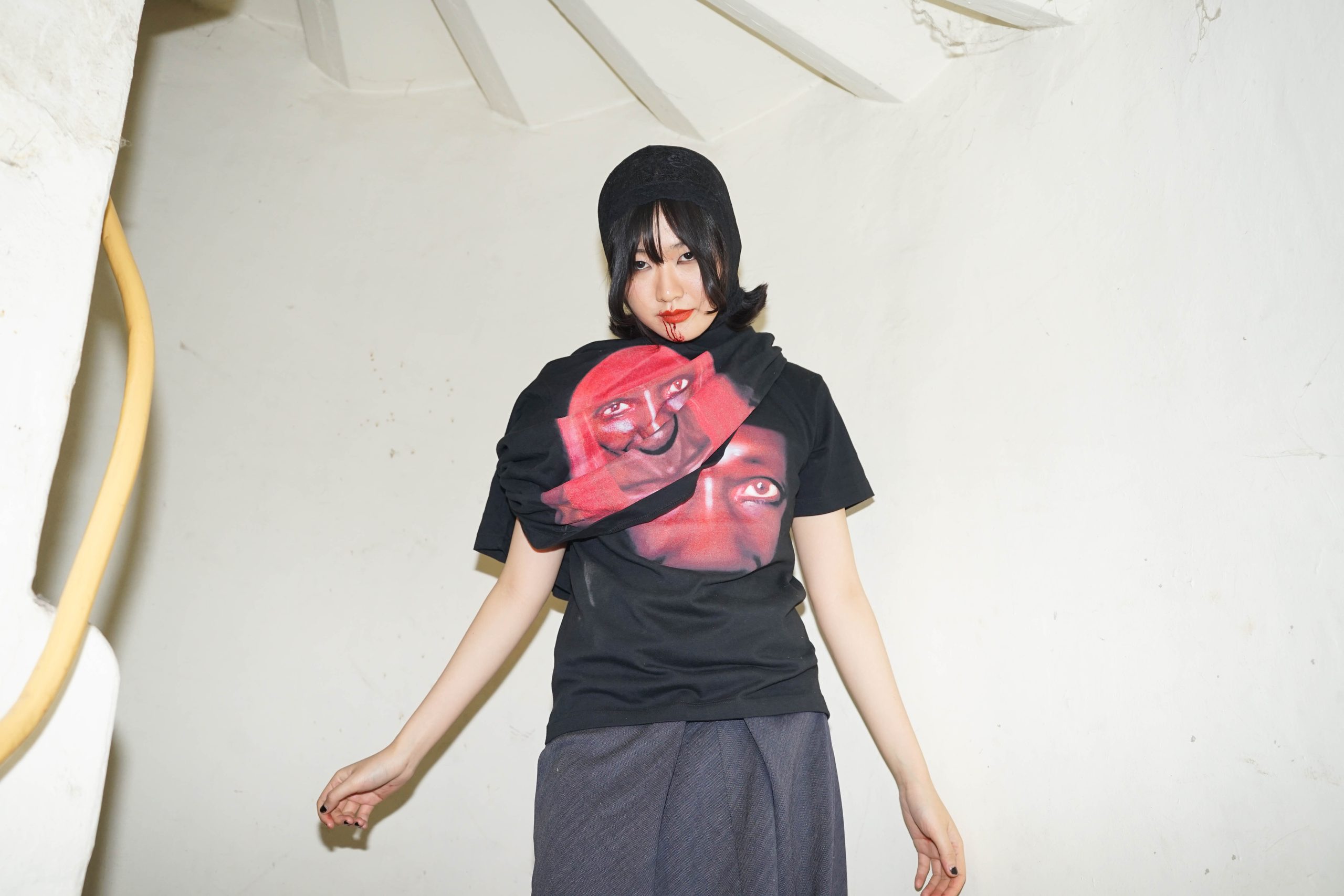
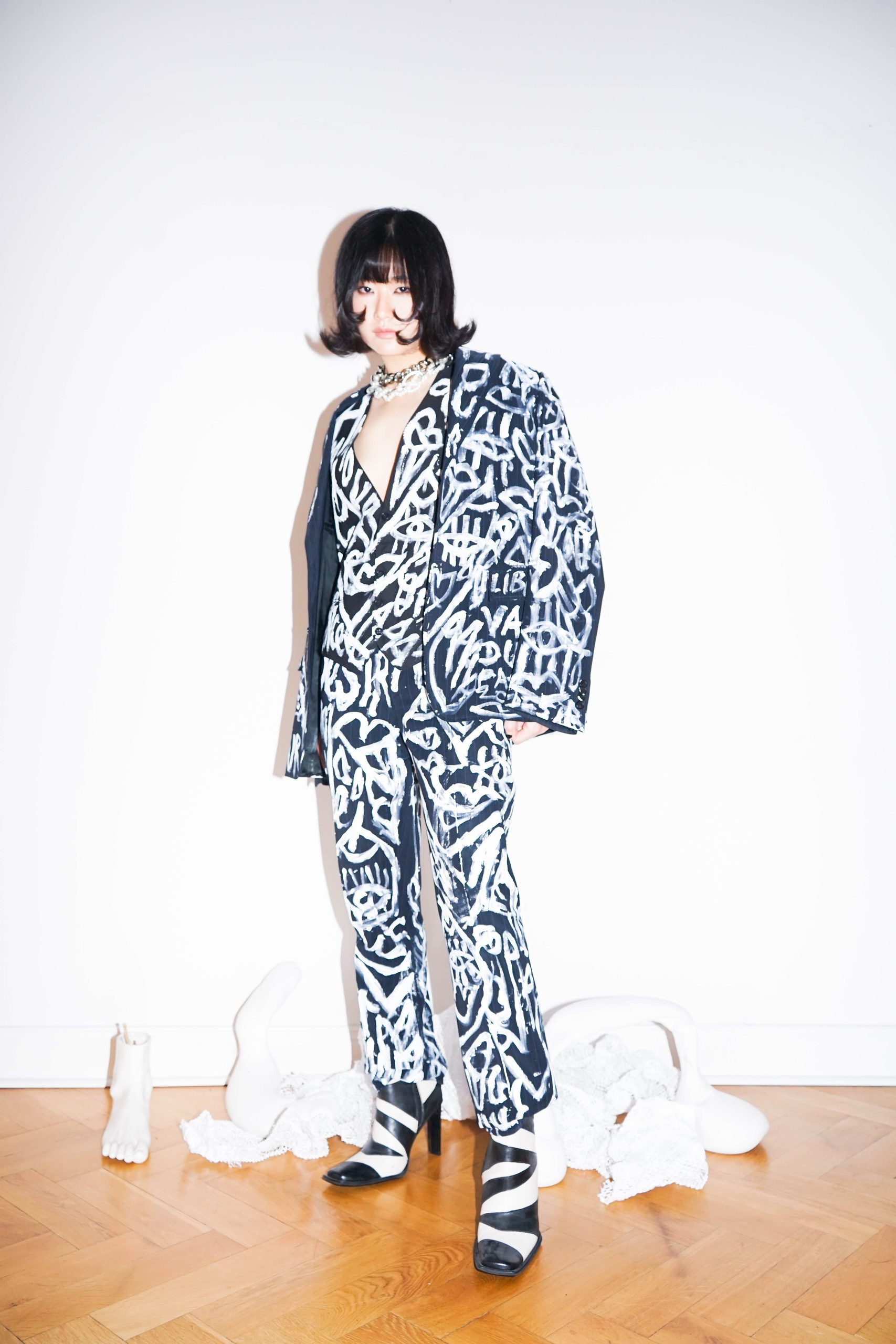
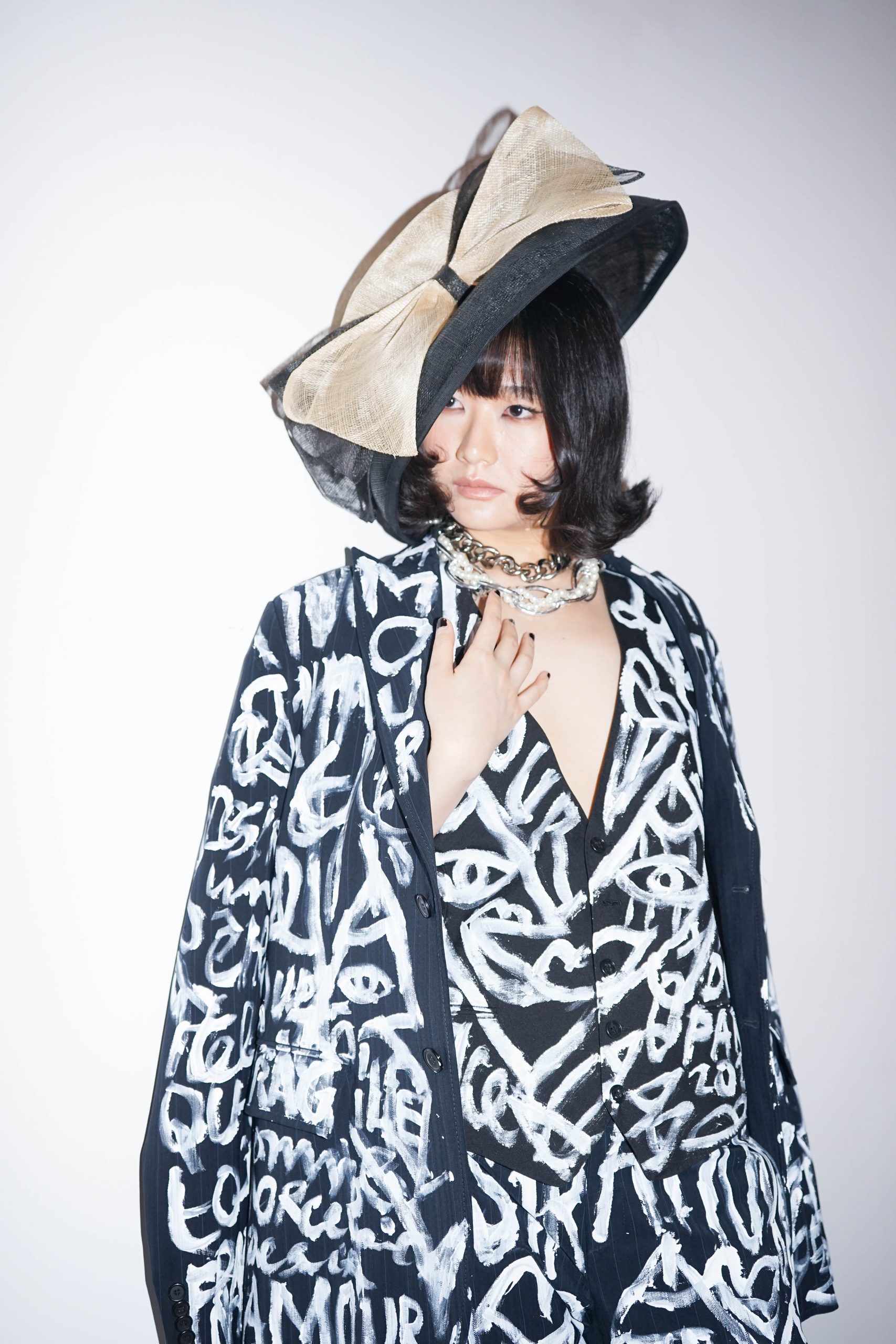
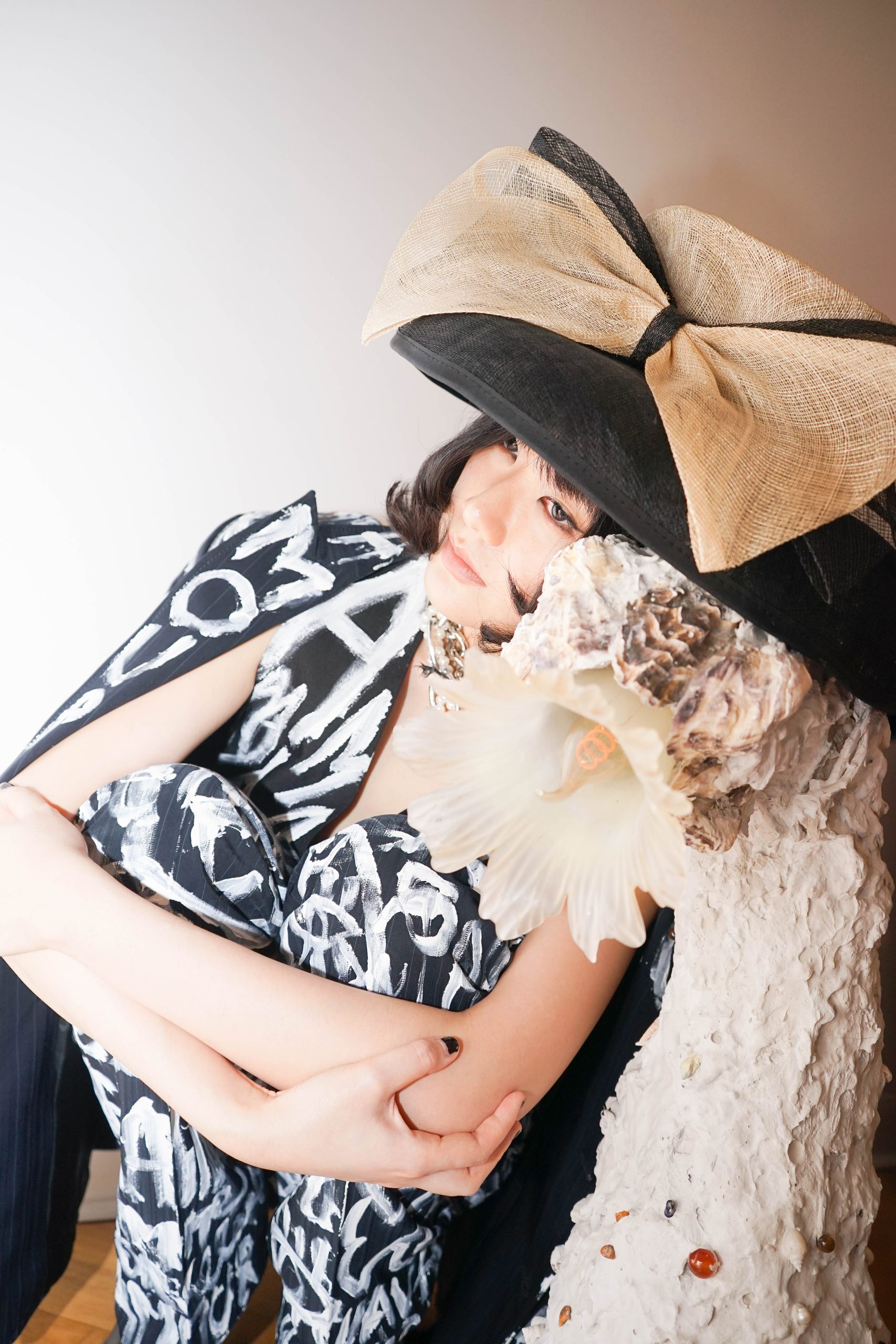
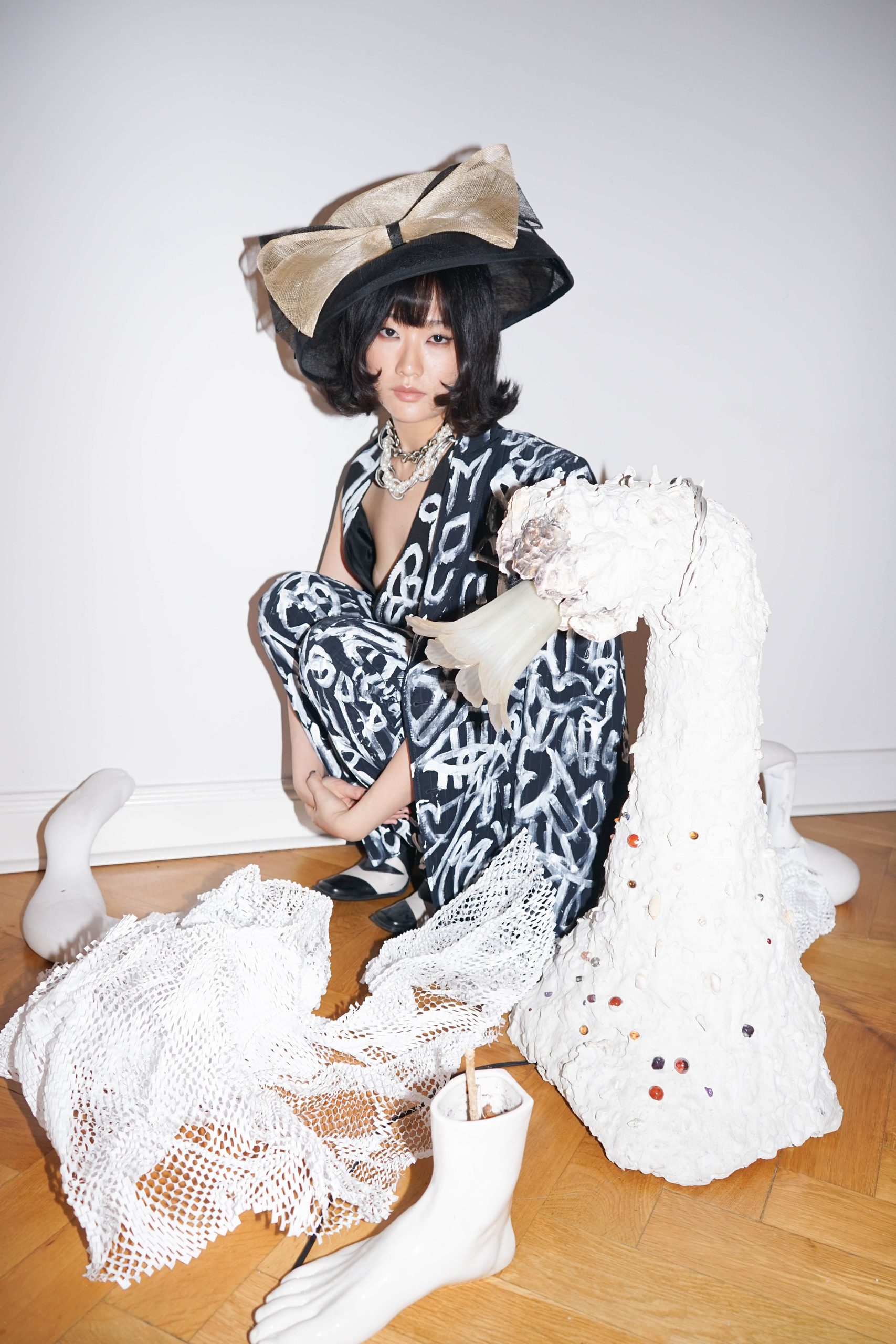
The final chapter turns towards elegance and the assumptions that come with it. We are accustomed to reading composure as a sign that everything is under control, particularly in fashion imagery, where beauty and confidence often arrive together. Here, that reading becomes less dependable. The subject initially appears poised, yet closer attention brings a sense of dissonance that is difficult to locate.
The styling and makeup sustain the attraction while allowing something stranger to emerge within it. Beauty gives the viewer a reason to approach, but offers little certainty about what they will find. The model’s presence is central to that ambiguity, holding the image together without resolving its mood into an obvious invitation, threat or joke.
Across all three chapters, the team treats the uncanny as something available in everyday experience, from the ways bodies are regarded to the atmosphere of a room or the impression made by a carefully constructed appearance. Their movement between Taiwan and Berlin provides the background to this collaboration, while the photographs leave room for viewers to bring their own associations to what feels familiar and what feels strange.
The resulting story has the pleasure of an outfit that changes character once somebody puts it on. You can enjoy its elegance and laugh at its absurdity, then find yourself returning to an image because something about it still bothers you.
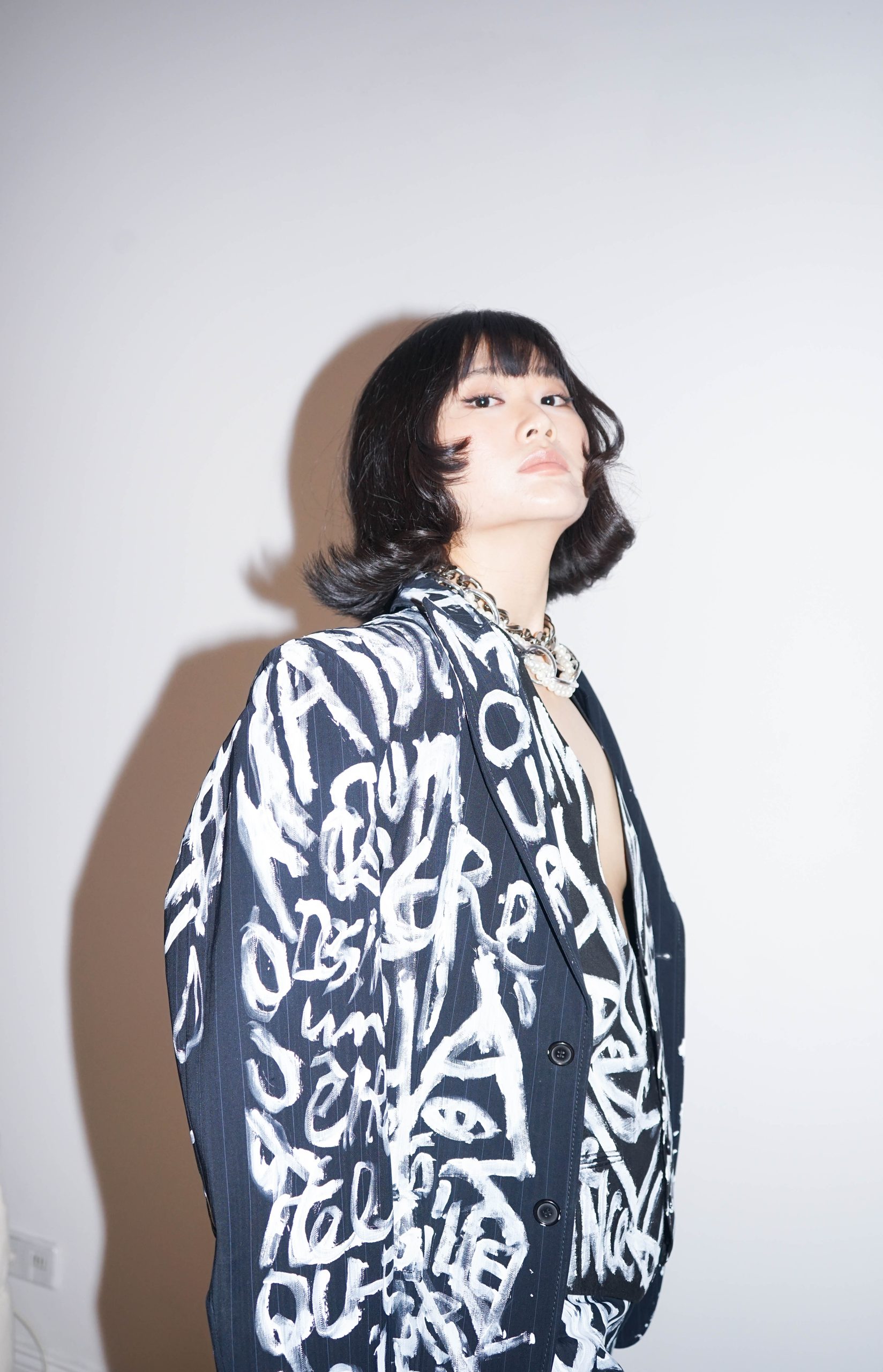
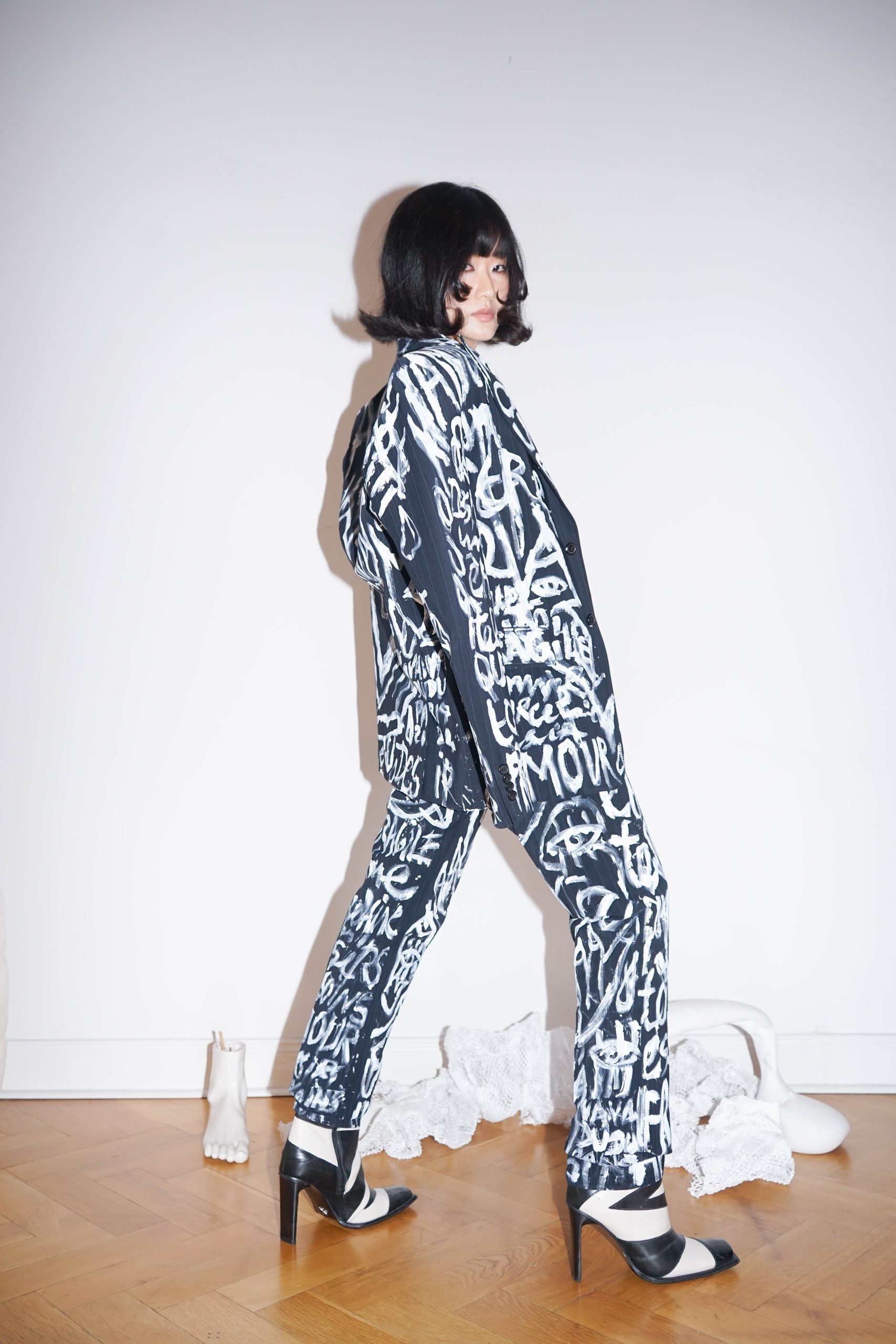
Concept, photography & styling: Lanyi Zhan
Talent: Kufo
Makeup: Phibi Yeh
Clothing & outfits: Wsiura Designer | Sorcerer | 4FSB | Vava Dudu | Roy


Nicoleta Raicu
Latest posts by Nicoleta Raicu (see all)
- At 80, Reeta Basu Takes On Fashion’s Age Rules in “SHEila” - November 7, 2026
- Things Get Uncanny in This Lynch-Inspired Fashion Editorial - November 7, 2026
- The Honest Chaos of Love in Jeremie Soyan’s Songs - October 31, 2026