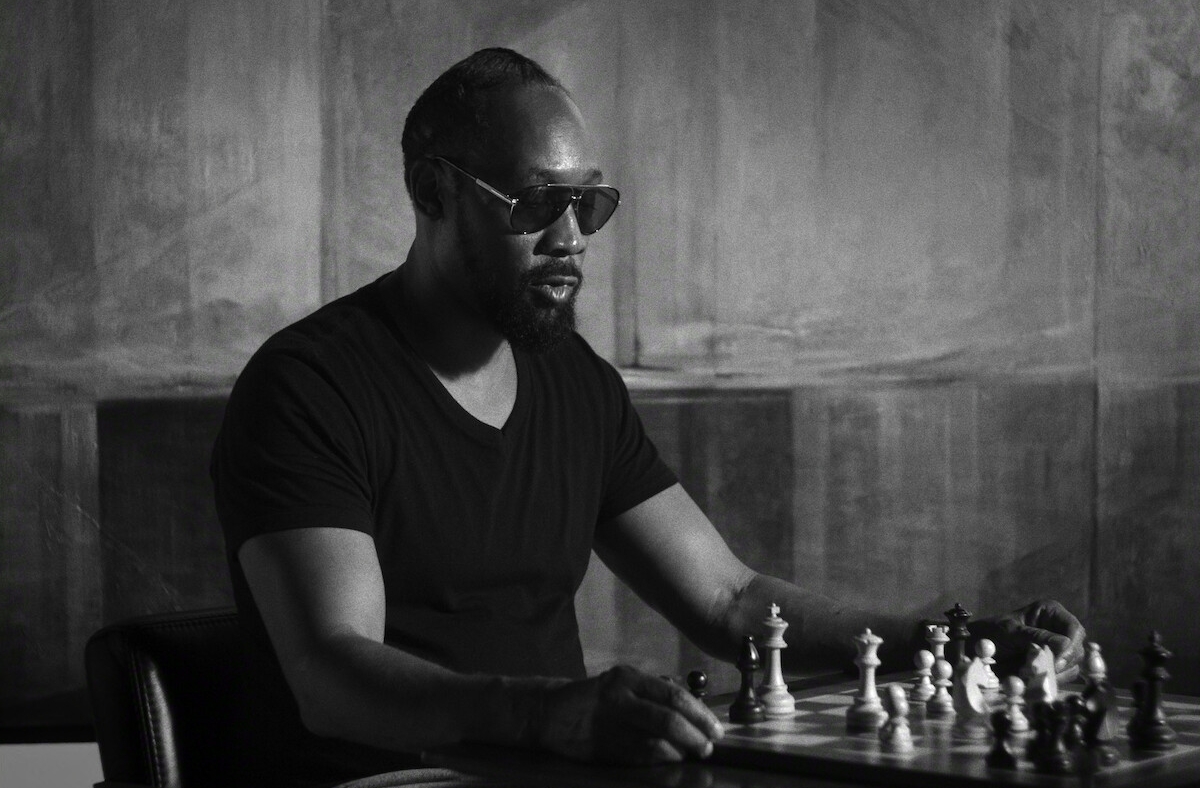
A record sold for a reported $2 million, sealed inside an ornate silver case and withheld from commercial release until 2103, has spent more than a decade existing somewhere between music history and modern myth. Wu-Tang Clan’s “Once Upon a Time in Shaolin” was conceived as a singular work in an industry increasingly built around unlimited access, streaming figures and disposable listening. Now, “The Disciple: A Wu-Tang Fable” traces the ambition, personalities and controversy behind one of hip-hop’s most unconventional projects, arriving on Netflix on October 16, following its world premiere at the 2026 Sundance Film Festival.
Directed by Academy Award-winning filmmaker Joanna Natasegara, the documentary follows Tarik Azzougarh, the Dutch-Moroccan MC known as Cilvaringz, whose devotion to Wu-Tang Clan eventually brought him into the group’s inner circle. His involvement became central to the creation of “Once Upon a Time in Shaolin”, a secret recording project developed over six years and eventually released into the world as a single physical copy.
The idea carried an unmistakable provocation. At a time when music had become increasingly accessible through digital platforms, Wu-Tang Clan pursued an album that could not be streamed, downloaded or reproduced for public consumption. Its restrictions were part of the concept, designed to challenge the commercial logic surrounding recorded music and question how artistic value is measured when access becomes virtually unlimited.
The record’s 2015 auction brought that argument into public view. Purchased for a reported $2 million, the album came with contractual restrictions preventing commercial release until 2103. Its subsequent history became increasingly complicated, turning the project into a debate about ownership, artistic intent, market speculation and the limits of treating music as a collectible object.
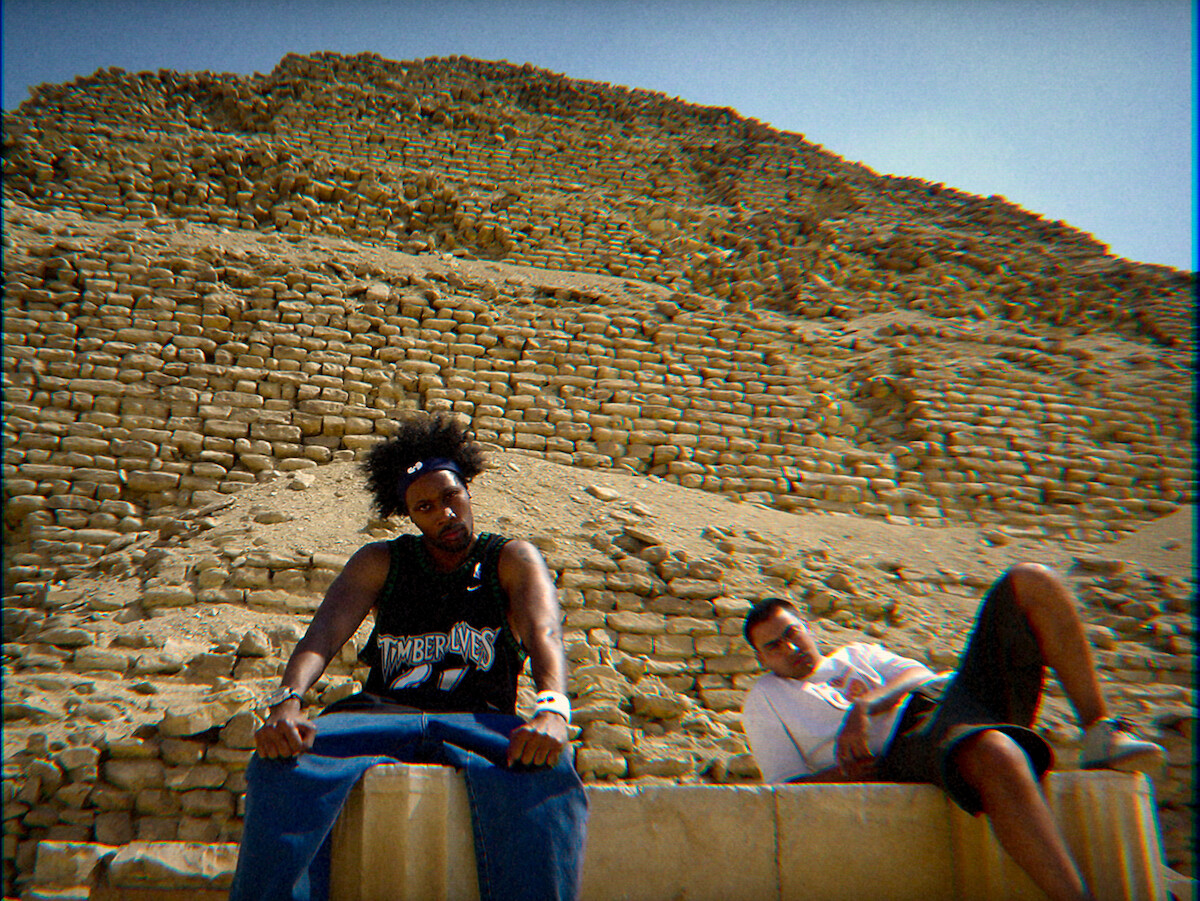
Cilvaringz’s journey gives the documentary a personal route into that larger discussion. A fan who entered Wu-Tang’s orbit through persistence and an unlikely encounter, he found himself helping realise a project that would attract international attention far beyond its music. The film follows the distance between the original ambition and the consequences that followed, examining how an attempt to defend music as an art form became entangled in a story of public controversy.
For Natasegara, the project began with a longstanding admiration for Wu-Tang Clan and a story she found impossible to ignore. Five years of filmmaking led her deeper into the group’s cultural significance, particularly its emphasis on community, talent, tenacity and collective achievement. “The White Helmets” and “The Edge of Democracy”, both associated with her previous work as a producer, established her presence in documentary filmmaking; “The Disciple: A Wu-Tang Fable” marks her feature directorial debut.
The film also approaches the album as a political statement about the declining value assigned to music, particularly work by artists of colour, within an increasingly corporate industry. Wu-Tang Clan’s international reach gave the idea an audience large enough to amplify that criticism, while the events surrounding the album complicated the message and its reception. More than ten years after its creation, the record remains a pointed question about who controls music, who gets to hear it and what happens when scarcity becomes part of an artwork’s identity.
The RZA, who executive produces the documentary, sees the story as an extension of the group’s own legacy. He highlights the unusual passage from devoted fan to collaborator, describing Cilvaringz’s experience as a rare instance in which someone from the audience was able to enter the creative circle and contribute to its history. That relationship gives the documentary a second subject alongside the album itself: the power of fandom to shape the culture it admires.
Produced by Abigail Anketell-Jones, Lauren Dark and Vanessa Kirby, the film features executive production from The RZA, Joe Gebbia, Jason Ropell and Abazar Khayami, alongside teams from Film4 and Bird Street Productions. Chloë Lambourne and Chris Dickens handled the editing. The production brings together Aluna Entertainment and Violet Films, in association with Studio Gebbia, Film4, 36 Cinema and Sony Music Vision.
“Once Upon a Time in Shaolin” remains almost entirely inaccessible to the public, yet its story continues to circulate through arguments about art, money and ownership. “The Disciple: A Wu-Tang Fable” turns that absence into the centre of its investigation, revisiting a project whose meaning has grown far beyond the music preserved inside its silver case. The documentary premieres on Netflix on October 16.

Follow Wu-Tang Clan on:
Facebook | Instagram | Website


Nicolae Baldovin
Latest posts by Nicolae Baldovin (see all)
- “The Disciple: A Wu-Tang Fable” Arrives on Netflix This October - October 15, 2026
- “…And Out Comes the Wolf” Brings ’90s Punk to the Big Screen - October 13, 2026
- Awe Inspired Summons Mythology for “Nocturne” - September 29, 2026